
October 9, 2024
Wearing dental braces can significantly enhance your smile and improve your oral health. However, with braces comes a responsibility to care for them properly, especially when it comes to your diet. Certain foods can damage the brackets, wires, or bands of your braces, potentially prolonging your treatment time and compromising your results. If you are a Southlake patient or considering orthodontic treatment, this guide will help you understand which foods to avoid while wearing braces and why it’s crucial to follow these recommendations.
Understanding Dental Braces
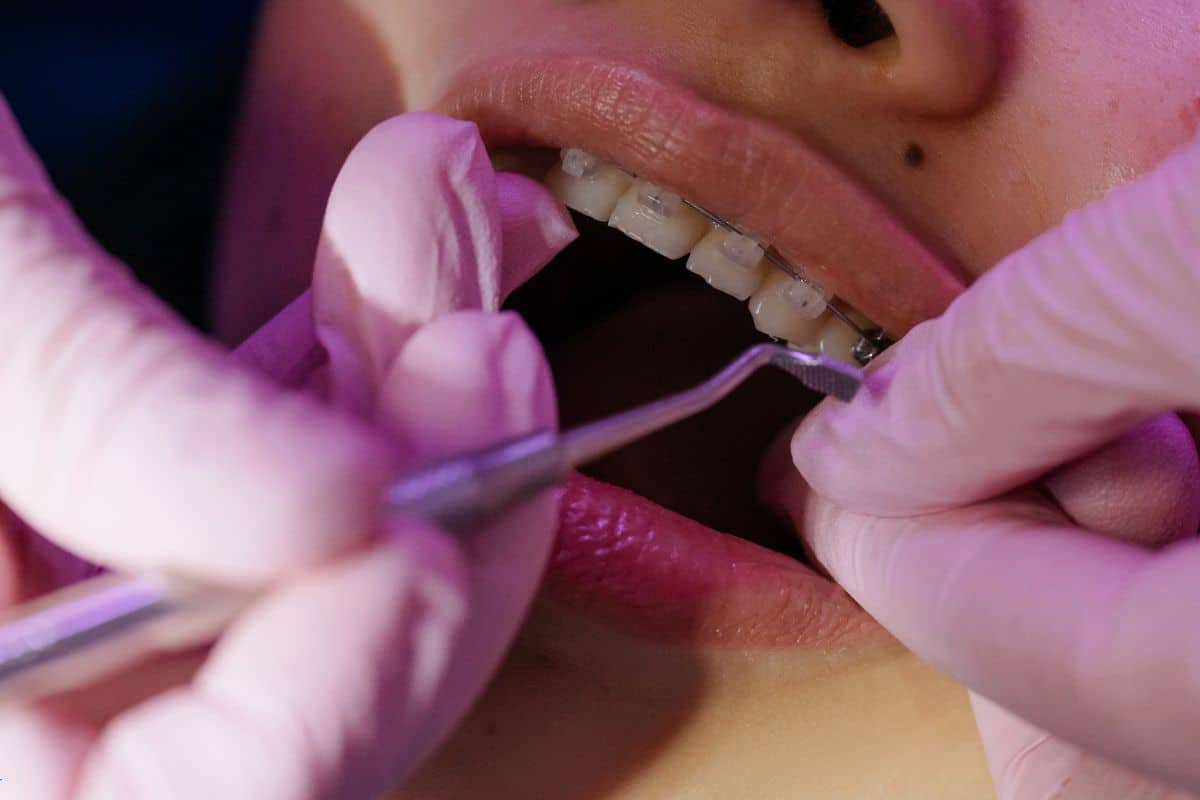
Dental braces are devices used by orthodontists to straighten teeth and improve overall alignment. They consist of brackets, wires, and bands that apply pressure to the teeth, gradually moving them into the desired position. While braces are highly effective, they also require a commitment to proper oral hygiene and dietary choices.
Importance of Diet in Orthodontic Treatment
Your diet plays a critical role in the success of your orthodontic treatment. Foods that are too hard, sticky, or chewy can damage your braces and hinder progress. Additionally, some foods can promote plaque buildup, leading to cavities and other dental issues, making it even more important to be mindful of what you eat while wearing braces.
Foods to Avoid with Dental Braces
Here’s a comprehensive list of foods that Southlake patients should avoid while wearing dental braces:
- Hard Foods
Hard foods can easily damage the brackets or wires of your braces. Avoid the following:
- Nuts: While nutritious, nuts are hard and can break brackets.
- Hard candies: These can get stuck in your braces and pose a risk of breaking them.
- Ice: Chewing ice can crack your braces and your teeth.
- Corn on the cob: Biting directly into corn can damage wires and brackets.
- Sticky Foods
Sticky foods can cling to your braces, making it difficult to clean your teeth properly. They can also pull brackets off when you try to chew them. Avoid:
- Chewing gum: Especially sugary or sticky varieties, as they can get stuck in your braces.
- Caramels and toffees: These can easily pull off brackets.
- Taffy: Similar to caramel, taffy can wreak havoc on your braces.
- Fruit leather: Though healthy, it’s sticky and can become lodged in braces.
- Chewy Foods
Chewy foods can be difficult to bite and can strain your braces. Avoid:
- Bagels: Their density can put pressure on brackets.
- Hard bread: Crusty bread can be tough on your braces.
- Beef jerky: It’s chewy and can get caught in your braces.
- Licorice: Its sticky nature makes it a bad choice.
- Fruits and Vegetables with a Hard Texture
Some fruits and vegetables can be hard and can damage braces. It’s essential to prepare them properly:
- Whole apples: Instead, slice them into small pieces.
- Carrots: Cut into thin sticks or eat cooked carrots.
- Celery: Opt for cooked celery or small pieces instead.
- Certain Snacks
Be cautious with snacks that can harm your braces. Avoid:
- Popcorn: The kernels can break brackets, and unpopped kernels can get stuck.
- Pretzels: Hard pretzels can damage wires and brackets.
- Chips: Hard chips can break off pieces of your braces.
Recommended Foods for Braces Patients
While there are many foods to avoid, there are also plenty of delicious options that are safe to enjoy while wearing braces. Here’s a list of orthodontist-approved foods:
- Soft fruits: Bananas, berries, and peaches are safe options that won’t damage your braces.
- Cooked vegetables: Steamed or roasted vegetables are nutritious and easy to chew.
- Dairy products: Yogurt and soft cheeses are excellent sources of calcium.
- Soft grains: Oatmeal, rice, and soft bread are all braces-friendly.
- Protein sources: Eggs, fish, and well-cooked poultry are good options that are easy to chew.
Tips for Maintaining Oral Hygiene with Braces
Proper oral hygiene is essential for anyone with braces. Food particles can easily become trapped, leading to plaque buildup and potential decay. Here are some tips to keep your mouth healthy during your orthodontic treatment:
- Brush Regularly: Brush your teeth after every meal using a soft-bristled toothbrush. Special orthodontic toothbrushes are available to help you clean around brackets effectively.
- Floss Daily: Flossing can be challenging with braces, but it’s essential. Use floss threaders or orthodontic floss to help clean between teeth and around brackets.
- Use Mouthwash: An antibacterial mouthwash can help reduce plaque and keep your breath fresh.
- Regular Dental Visits: Maintain regular appointments with your orthodontist in Southlake to ensure that your braces are in good condition and that your treatment is on track.
- Stay Hydrated: Drinking plenty of water can help wash away food particles and keep your mouth clean.
Also Read: Why Invisalign Is the Best Choice for Busy Professionals in Southlake
Managing Discomfort and Adjustments
It’s common to experience discomfort after getting braces or following adjustments. Your orthodontist may provide recommendations for managing this discomfort, such as over-the-counter pain relievers or using orthodontic wax on brackets that may be irritating your cheeks.
Conclusion: Commitment to a Braces-Friendly Diet
Maintaining a braces-friendly diet is vital for ensuring the success of your orthodontic treatment. By avoiding hard, sticky, and chewy foods, Southlake patients can protect their braces and achieve the best possible results. As you navigate your orthodontic journey, remember that the temporary sacrifices you make will lead to a lifetime of benefits, including a beautiful, straight smile.
If you have further questions about foods to avoid while wearing braces or need guidance on maintaining your oral hygiene, don’t hesitate to reach out to your orthodontist in Southlake. They can provide personalized advice and support as you work toward your perfect smile.