

May 6, 2026
Why Early Orthodontic Checkups Matter for Long-Term Dental Health
Many parents wonder when to take their child to an orthodontist. Some wait until their teen years. Others are not sure what to look for. The truth is simple. Early checkups can make a big difference in long-term dental health.
An early visit to an orthodontist helps spot small issues before they grow into bigger problems. It also gives your child a better chance at a healthy, balanced smile.
Meet the Doctor Behind the Smiles

At Tolleson Orthodontics, care is led by Dr. Tolleson, who is proud to serve the same community where he lives with his family. His passion for helping patients shows in every visit.
He trained in biomedical science and later earned his dental degree, followed by advanced training in orthodontics. He also served as Chief Resident during his specialty program and is a board certified orthodontist, a distinction earned by fewer than half in the field.
Dr. Tolleson has treated thousands of patients and also guided other providers in his role as a clinical director. Outside of the office, he enjoys music, family time, and community service.
If you have concerns about your child’s smile, it may be the right time to call the pediatric dentist and learn more about early care.
What Is an Early Orthodontic Checkup?
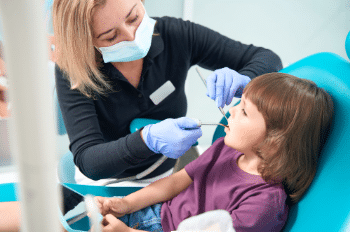
An early checkup is a simple visit with an orthodontist to look at how a child’s teeth and jaw are growing. This usually happens around age 7, when both baby teeth and adult teeth are present.
At this stage, small changes are easier to guide.
Why Early Checkups Matter
1. Problems Are Easier to Catch Early
An orthodontist can see signs of crowding, spacing, or bite issues early on. Fixing these problems later may take more time and effort.
2. Helps Guide Jaw Growth
Early visits allow the orthodontist to watch how the jaw develops. This helps create a better balance in the smile.
3. Reduces Risk of Future Issues
Small problems can lead to bigger ones if ignored. Early care can reduce the need for more complex treatment later.
4. Build Healthy Habits
Children who visit an orthodontist early often become more aware of their oral health. This leads to better brushing and daily care.
Signs Your Child May Need an Orthodontic Visit
You don’t need to wait for obvious problems. Look for these early signs:
- Teeth that come in crooked or crowded
- Difficulty biting or chewing
- Mouth breathing
- Thumb sucking past early childhood
- Jaws that shift or make sounds
If you notice any of these, an orthodontist can help guide you.
What Happens During the First Visit?
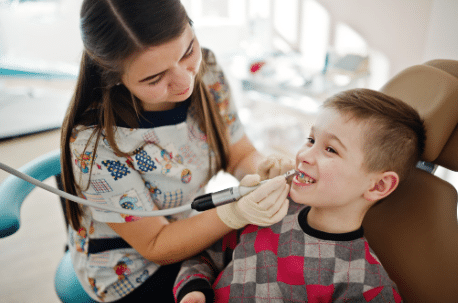
The first visit is simple and stress-free.
- The orthodontist checks teeth and jaw growth
- X-rays or other images may be taken if needed
- You get clear advice on what to watch for
- No treatment is started unless needed
In many cases, the doctor will just monitor growth over time.
Long-Term Benefits of Early Orthodontic Care
Early visits can lead to better results over time.
- Improved alignment as adult teeth come in
- Better bite and jaw balance
- Lower risk of tooth damage
- Easier future care if needed
A trusted orthodontist focuses on both function and long-term health, not just appearance.
Conclusion
Early orthodontic checkups are a simple step with lasting benefits. They help catch issues early, guide growth, and support better dental health over time.
If you are thinking about your child’s smile, now is a good time to take action. You can schedule a consultation with Tolleson Orthodontics to get clear guidance. If you have questions or want to plan a visit, contact our dental office and take the first step toward a healthier smile.
FAQs
At what age should a child first visit for an orthodontic checkup?
Most children benefit from an initial checkup around age 7. At this stage, a mix of baby and adult teeth allows the doctor to spot early signs of crowding, spacing, or bite issues. Even if everything looks normal, this visit sets a baseline and help track how the teeth and jaw develop over time.
What is the purpose of an early orthodontic evaluation?
An early evaluation does not always mean starting treatment right away. This helps identify how the teeth and jaw are growing and whether any issues may develop later. This allows the doctor to monitor changes and step in at the right time, rather than waiting until problems become more complex.
How can early checkups reduce the need for future dental problems?
When concerns are found early, they can often be managed in a simpler way. For example, guiding jaw growth or making space for incoming teeth can prevent crowding or uneven wear. This may reduce the chances of more involved care later and help maintain better oral health.
What signs should parents watch for that may require attention?
Parents should look for signs like difficulty chewing, early or late loss of baby teeth, crowded or crooked teeth, thumb sucking beyond early years, or noticeable jaw shifts. These signs do not always mean treatment is needed, but they are good reasons to schedule a checkup.
Will my child need treatment immediately after the first visit?
Not always. Many children are placed under observation after their first visit. The doctor may recommend periodic checkups to monitor growth and determine the best time, if any, to begin care. This approach avoids unnecessary treatment and focuses on timing.
How do early orthodontic visits support long-term dental health?
Early visits help ensure that teeth grow into better positions and the bite develops properly. This can make daily cleaning easier, reduce the risk of tooth damage, and support overall oral health. Over time, this leads to a more stable and healthy smile.