
July 13, 2026
If you lose or break your retainer, contact your orthodontic office as soon as possible. A missing, cracked, or damaged retainer may allow your teeth to shift, especially if you recently completed braces or clear aligner treatment. If you need help in Southlake, TX, contact Tolleson Orthodontics at (817) 416-2200. The orthodontic team can provide guidance based on whether your retainer is lost, broken, bent, or no longer fitting properly.
If you are searching for an orthodontist near me because of a retainer problem, do not try to glue, bend, heat, or reshape the appliance at home. Contacting an orthodontic office promptly can help protect your orthodontic results and reduce the risk of unwanted tooth movement.
What Should You Do If You Lose or Break Your Retainer?
If you lose or break your retainer, contact your orthodontic office promptly and follow the instructions provided by the orthodontic team. Do not attempt to repair, reshape, or force a damaged retainer back into place.
A lost or broken retainer is usually not a medical emergency, but it may require prompt attention because teeth can move when they are not held in their corrected positions.
When you contact the office, explain:
- When the retainer was lost or damaged
- When you last wore it
- Whether it still fits
- Whether you have noticed tooth movement
- Whether the retainer is cracked, bent, loose, or split
- Whether you have pain or irritation
The orthodontic team can determine whether you may need a replacement, repair, new scan, or evaluation.
Why Is a Retainer Important?
A retainer helps maintain the results achieved through braces or clear aligner treatment. After active orthodontic treatment ends, the teeth and surrounding tissues continue adapting to their corrected positions.
Retainers can help:
- Keep teeth aligned after braces
- Maintain results after clear aligner treatment
- Reduce the risk of unwanted tooth movement
- Support long-term bite stability
- Protect the time and effort invested in orthodontic treatment
Your recommended wear schedule depends on your treatment history and individual needs. Some patients wear retainers full-time for a period, while others transition to nighttime wear. Follow the instructions provided by your orthodontic team rather than changing your schedule on your own.
What Should You Do If Your Retainer Is Lost?
If your retainer is missing, take action promptly. Even if your teeth still look straight, small changes may begin before they become noticeable.
1. Check Common Places
Look carefully in places where retainers are often misplaced, including:
- Retainer cases
- Bathroom counters
- Bedside tables
- Backpacks, purses, or gym bags
- School or work lockers
- Clothing pockets
- Car compartments
- Towels, tissues, or napkins
- Kitchen and dining areas
Retainers are often accidentally thrown away after being wrapped in a napkin. If you removed it during a meal, check the surrounding area carefully.
2. Contact Your Orthodontic Office
If you cannot find the retainer, contact your orthodontic office rather than waiting several weeks to see whether your teeth shift.
The office may ask when you last wore the retainer and whether you have noticed any changes in your teeth. This information can help determine the appropriate next step.
3. Do Not Wear an Old Retainer Without Guidance
If you have an older retainer, do not automatically begin wearing it. It may no longer match your current tooth position and could place unwanted pressure on your teeth.
Ask the orthodontic team whether the older retainer is appropriate to use temporarily.
What Should You Do If Your Retainer Is Broken?
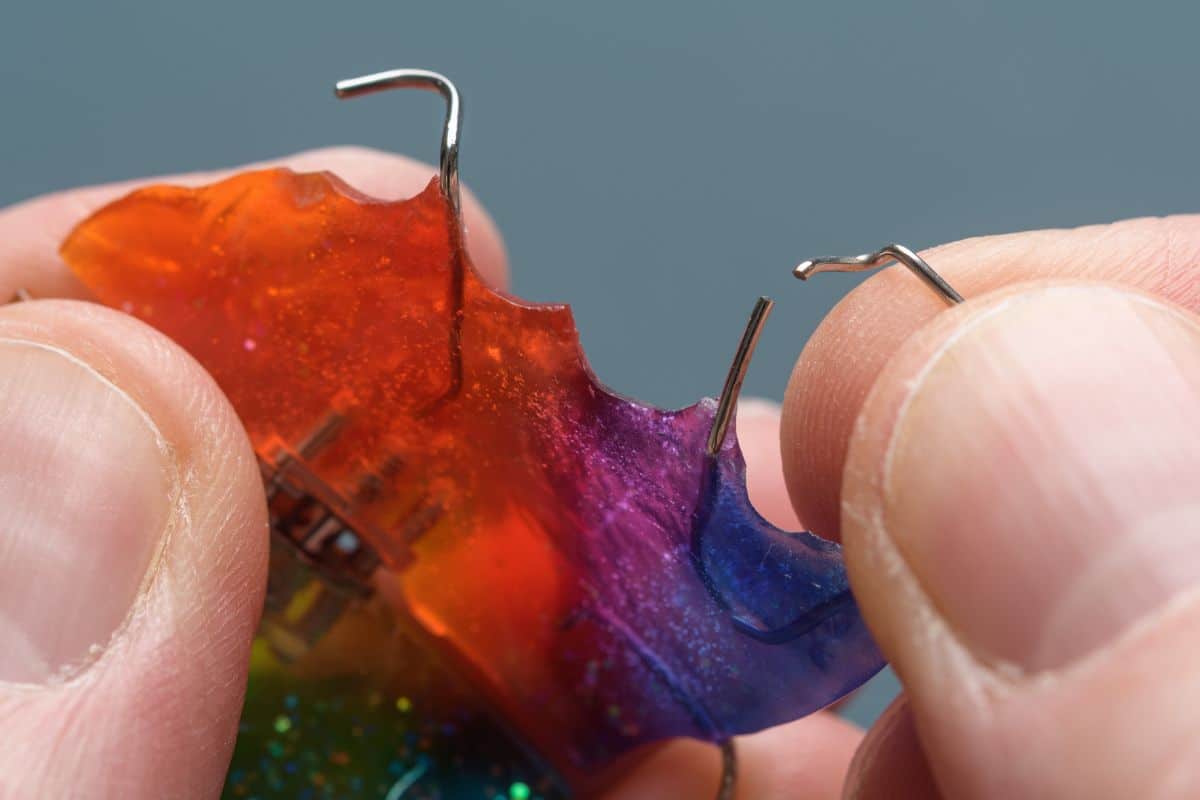
If your retainer is cracked, bent, split, loose, or has a damaged wire, contact your orthodontic office for guidance. Whether you should continue wearing it depends on the type and extent of the damage.
Do not:
- Use household glue
- Tape the retainer together
- Heat the plastic
- Bend wires back into place
- Trim sharp edges
- Reshape the appliance
- Force it over your teeth
Household adhesives are not designed for use inside the mouth. Heating or bending the retainer may permanently change its shape and affect how it fits.
Keep all pieces in a clean container. If your orthodontic office requests a photo, take a clear image of the damaged area.
Can You Wear a Cracked or Broken Retainer?
A small crack may not require the same response as a retainer that has split into several pieces. However, it can be difficult to determine whether a damaged retainer is still safe or effective based only on appearance.
Do not wear a damaged retainer if it has sharp edges, causes pain, does not fit properly, or appears significantly distorted.
Contact your orthodontic office and describe:
- The location of the crack
- Whether a wire is loose or bent
- Whether the retainer feels sharp
- Whether it fully fits over your teeth
- Whether it causes pain or unusual pressure
The orthodontic team can tell you whether to continue wearing it temporarily or stop until it is evaluated.
What If My Retainer No Longer Fits?
A retainer that suddenly feels tight may indicate that the teeth have shifted. A retainer that feels loose may no longer be holding the teeth as intended.
Do not force a retainer into place if it does not fully seat or causes significant pain.
Forcing the appliance may damage it or place excessive pressure on your teeth. Contact your orthodontic office and explain when the fit changed and whether you have missed any recommended wear time.
What Should I Do If I Need an Orthodontist Near Me for a Retainer Problem?
If you are searching for an orthodontist near me because your retainer is lost, broken, or no longer fitting, contact an orthodontic office promptly instead of attempting a home repair.
Explain:
- What happened to the retainer
- When the problem occurred
- When you last wore it
- Whether it still fits
- Whether you notice tooth movement
- Whether you have discomfort or irritation
This information can help the orthodontic team determine how urgently the problem needs attention.
How Quickly Can Teeth Shift Without a Retainer?
Teeth may begin to shift after retainer use stops, but the timing varies from person to person. Some patients may notice changes within days or weeks, while others may not see obvious movement for a longer period.
The rate of movement may depend on:
- How recently orthodontic treatment ended
- The original position of the teeth
- The amount of correction completed
- The type of retainer
- The recommended wear schedule
- Individual changes in the teeth and bite
Because tooth movement is difficult to predict, contacting an orthodontic office promptly is generally better than waiting for visible changes.
How Can You Prevent Losing or Breaking a Retainer?
Simple habits can help protect your retainer and reduce the chance of damage.
Always Use a Protective Case
Keep your retainer in its case whenever it is not in your mouth. Avoid wrapping it in a tissue or napkin because it may be mistaken for trash.
Keep It Away From Heat
Do not leave your retainer in a hot car, near a heater, or in direct sunlight. High temperatures may warp certain retainer materials and affect the fit.
Keep It Away From Pets
Pets may chew retainers because they are attracted to their scent. Store the retainer case in a secure location.
Clean It as Directed
Use the cleaning method recommended by your orthodontic team. Avoid boiling water and harsh cleaning products unless they have been specifically approved.
Check the Fit Regularly
If your retainer begins feeling unusually tight, loose, uncomfortable, or different from usual, contact your orthodontic office before the issue becomes more significant.
When Is a Lost or Broken Retainer an Orthodontic Emergency?
A lost or broken retainer is generally not a medical emergency, but it may be considered an orthodontic emergency because delayed care can increase the risk of unwanted tooth movement.
Contact your orthodontic office promptly if:
- The retainer is completely lost
- The retainer is cracked or split
- A wire is bent, loose, or sharp
- The retainer no longer fits
- The retainer causes significant pain
- You notice visible tooth movement
- The appliance is irritating your gums, cheeks, or tongue
If a damaged appliance causes severe bleeding, significant swelling, difficulty breathing, or difficulty swallowing, seek emergency medical care.
For more information about urgent orthodontic concerns, visit the orthodontic emergencies page.
Protect Your Orthodontic Results
A lost or broken retainer may seem like a small problem, but delaying action can increase the chance of unwanted tooth movement. The best next step is to follow the guidance provided by your orthodontic team rather than trying to repair or adjust the appliance yourself.
If your retainer is missing, cracked, bent, or no longer fitting properly, address the issue promptly. Early attention can help determine whether the retainer needs to be repaired, replaced, or evaluated and may help protect the results of your orthodontic treatment.
Frequently Asked Questions
1. How long can I go without wearing my retainer?
The answer depends on your orthodontic history and recommended wear schedule. Contact your orthodontic office as soon as possible because teeth may begin shifting before visible changes appear.
2. Can I glue my broken retainer back together?
No. Household glue may contain materials that are not intended for use inside the mouth and may affect the retainer’s fit. Contact your orthodontic office for guidance.
3. Can I wear an old retainer if I lost my current one?
Do not wear an old retainer without professional guidance. It may no longer fit your teeth correctly and could place unwanted pressure on them.
4. What if my retainer has only a small crack?
Even a small crack may affect the retainer’s strength or fit. Contact your orthodontic office and follow its instructions before continuing to wear it.
5. Will I need braces again if I lose my retainer?
Not necessarily. The next step depends on whether your teeth have shifted and how much movement has occurred. Prompt attention may help reduce the need for additional orthodontic treatment.