
August 10, 2026
If you are considering braces to straighten your teeth or improve your bite, you may wonder what the treatment process actually looks like. Advanced metal braces remain a reliable orthodontic option for patients who need controlled tooth movement and consistent support throughout treatment.
At Tolleson Orthodontics in Southlake, treatment is planned around each patient’s teeth, bite, and orthodontic needs. Understanding what happens from the first consultation through the final stages can make the process feel much more manageable.
What Are Advanced Metal Braces?
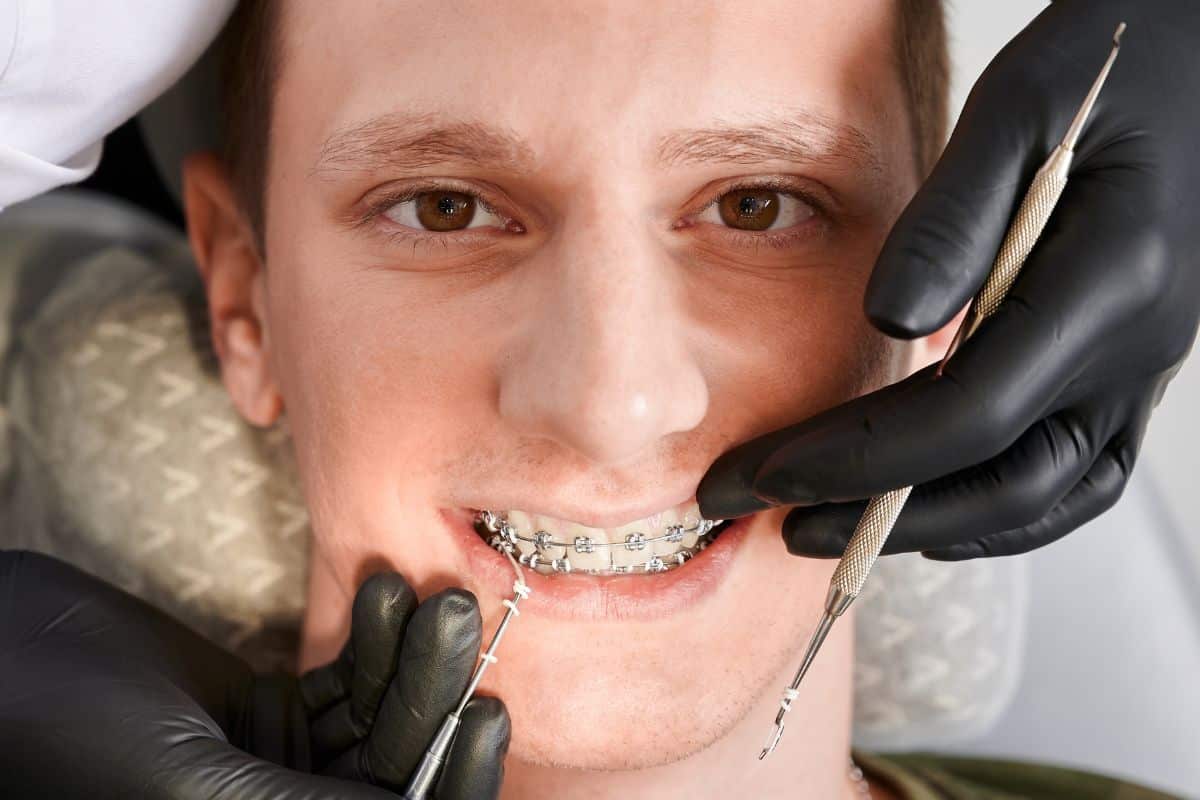
Advanced metal braces use brackets and archwires to gradually guide teeth into better positions. The brackets are attached to the teeth, while the wires provide controlled pressure that helps move teeth according to the treatment plan.
Unlike removable clear aligners, metal braces remain in place throughout treatment. This can be helpful for patients who need consistent orthodontic force or who may have difficulty maintaining the required daily wear time associated with removable appliances.
Advanced metal braces can be used for a variety of alignment and bite concerns. The specific approach depends on the patient’s individual orthodontic evaluation.
Step 1: Your Orthodontic Consultation
The process begins with an examination of your teeth and bite. Dr. Shane Rex Tolleson evaluates your alignment and identifies the areas that need correction.
Digital imaging may be used to provide a more detailed view of your teeth and supporting structures. Your treatment goals, concerns, and available options can also be discussed during this appointment.
This first visit is important because orthodontic treatment should be based on your specific needs rather than a one-size-fits-all approach.
Step 2: Creating Your Treatment Plan
After your evaluation, your orthodontist develops a treatment plan based on the movement your teeth require.
The plan may consider:
- Tooth alignment
- Crowding and spacing
- Bite concerns
- The position of individual teeth
- The amount of movement required
- Your overall orthodontic goals
The purpose of treatment planning is to determine how your teeth should move and how the braces will be used to guide that movement.
Step 3: Getting Your Braces
Once your treatment plan is established, the brackets are placed on your teeth and connected with an archwire.
You may notice pressure or mild soreness after your braces are placed. This is a normal part of beginning orthodontic treatment as your teeth start responding to the forces created by the appliance.
Your orthodontic team can explain how to care for your braces and what to expect during the first few days.
Step 4: Regular Orthodontic Appointments
Braces treatment does not happen in one appointment. You will have regular visits so your orthodontist can monitor your progress and make necessary adjustments.
During these appointments, the orthodontic team checks how your teeth are responding to treatment. Adjustments to the wires or other components may be made according to your treatment plan.
These visits also provide an opportunity to discuss any discomfort, broken components, or concerns you have experienced since your previous appointment.
Step 5: Taking Care of Your Braces at Home
Good daily care is an important part of orthodontic treatment.
Food can become trapped around brackets and wires, making brushing and flossing especially important. Keeping your teeth and braces clean helps support good oral hygiene throughout treatment.
You should also follow your orthodontist’s recommendations about foods and habits that could damage your braces.
If a bracket becomes loose or a wire causes a problem, contact your orthodontic office for guidance rather than attempting to fix the appliance yourself.
Step 6: Watching Your Teeth Gradually Move
One of the most noticeable parts of braces treatment is seeing gradual changes in your teeth.
Orthodontic movement takes time. Your teeth do not move into their final positions immediately, and treatment length varies depending on the complexity of your case.
Regular appointments allow Dr. Tolleson to monitor the process and make adjustments when needed.
Following your orthodontist’s instructions can help keep treatment progressing according to the planned approach.
Step 7: Finishing Treatment and Retainers
Once your teeth have reached their planned positions, the braces can be removed.
However, orthodontic treatment does not necessarily end when the brackets come off. Retainers are commonly used afterward to help maintain the alignment achieved during treatment.
Your orthodontist will explain your retainer instructions and how to care for your new alignment after braces.
Are Advanced Metal Braces Right for You?
The right orthodontic treatment depends on your teeth, bite, treatment goals, and the type of movement required.
Advanced metal braces may be considered when a patient needs fixed orthodontic treatment and controlled tooth movement. During your consultation, Dr. Tolleson can evaluate your orthodontic needs and explain whether advanced metal braces are an appropriate option.
Rather than choosing an appliance based only on appearance, it is helpful to understand what your teeth actually need.
Take the Next Step Toward Orthodontic Treatment
If you are considering braces in Southlake, a professional orthodontic evaluation can help you understand your treatment options. Tolleson Orthodontics can assess your teeth and bite, explain the available approaches, and create a treatment plan based on your individual needs.
Book Now to schedule your orthodontic consultation.
Frequently Asked Questions
How long do advanced metal braces take?
Treatment time varies from patient to patient. The length depends on the complexity of your alignment and bite concerns and how your teeth respond during treatment.
Are advanced metal braces painful?
You may experience some pressure or mild soreness after braces are placed or adjusted. Your orthodontic team can provide guidance for managing normal treatment-related discomfort.
Can I eat normally with metal braces?
You can continue eating many of your usual foods, but certain foods and habits can damage brackets or wires. Your orthodontic team will explain which foods and habits should be avoided during treatment.
How often will I need orthodontic appointments?
Regular appointments are needed to monitor tooth movement and make adjustments to your braces. Your orthodontist will establish an appointment schedule based on your treatment plan.
Do I need a retainer after metal braces?
Retainers are commonly used after braces to help maintain the tooth positions achieved during treatment. Your orthodontist will explain the appropriate retainer plan after your braces are removed.