
July 14, 2023
Imagine being able to smile confidently, knowing that your dental health and appearance are at their best. With braces, this dream can become a reality. Braces have long been a tried and true method for transforming crooked teeth into straight, aligned perfection. But they do so much more than just enhance your aesthetics. In this blog post, we will delve into the world of braces: how they work, why you should consider them, the different types available, and essential care tips to ensure optimal results. So brace yourself (pun intended), as we embark on a journey towards a healthier and more radiant smile!
What are braces?
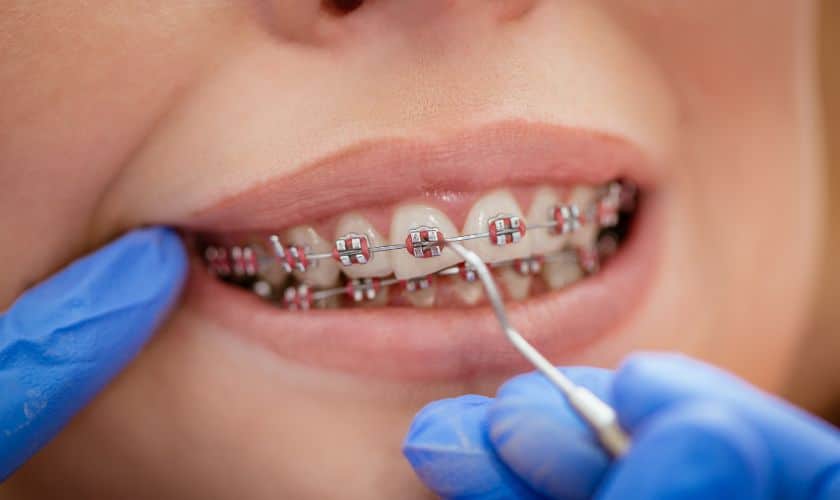
Braces are dental appliances designed to correct misaligned teeth and bite issues. They consist of brackets, wires, and bands that work together to gradually shift the position of your teeth over time. While braces are commonly associated with teenagers, people of all ages can benefit from them.
The primary goal of braces is to improve both the aesthetic appearance and functionality of your smile. By aligning your teeth properly, braces can help correct overcrowding, gaps between teeth, overbites, underbites, crossbites, and other orthodontic issues.
When you first get braces, your orthodontist will carefully attach small brackets onto each tooth using a special adhesive. These brackets serve as anchors for the wires that exert gentle pressure on your teeth to encourage movement.
To keep everything in place, elastic bands or metal ties are used to secure the wires onto the brackets. Over time (usually several months or years), this continuous pressure causes gradual tooth movement until they reach their desired positions.
Regular adjustments by your orthodontist will be necessary throughout the treatment process. During these visits, they will tighten or replace wires and make any necessary modifications to ensure progress is being made towards achieving optimal alignment.
While it may take some time before you see noticeable results from wearing braces, it’s important to remember that patience pays off. The end result? A beautifully aligned smile that not only boosts confidence but also improves overall oral health by making brushing and flossing easier.
How do braces work?
If you’re considering getting braces, it’s natural to wonder how they actually work. Braces are designed to gradually straighten your teeth and align your bite over time. Here’s a breakdown of the process:
- Evaluation: Before starting treatment, your orthodontist will evaluate your teeth and jaw alignment using X-rays, photographs, and impressions.
- Treatment Plan: Based on this evaluation, a personalized treatment plan is created for you. This may involve traditional metal braces or other alternatives like clear aligners.
- Application: The braces are attached to your teeth using adhesive and brackets or bands that hold the wires in place.
- Adjustment: Over time, the wires are tightened during regular appointments with your orthodontist to apply pressure on the teeth and guide them into proper alignment.
- Bone Remodeling: As pressure is applied through the wires, bone cells around the tooth roots respond by breaking down old bone tissue and depositing new bone tissue in its place.
- Retention: After achieving desired results, retainers are used to maintain the newly aligned position of your teeth.
Remember that each person’s experience with braces can vary depending on their specific dental needs. It’s important to follow all instructions provided by your orthodontist for optimal results.
Why should I get braces?
If you’ve ever wondered whether or not you should get braces, the answer is simple: it’s all about improving your dental health and appearance. Braces can address a wide range of issues, from crooked teeth to misaligned bites. By straightening your teeth and aligning your bite properly, braces can help prevent future dental problems such as tooth decay, gum disease, and jaw pain.
But it’s not just about oral health – getting braces can also boost your self-confidence. When you have a beautiful smile that you’re proud of, it shows in everything you do. You’ll feel more comfortable speaking and smiling in social situations, which can greatly impact both personal and professional relationships.
Braces come in various types to suit different needs and preferences. Traditional metal braces are still the most common option for correcting dental issues efficiently and effectively. However, if aesthetics are a concern for you, there are alternatives like ceramic braces or clear aligners that offer a more discreet treatment option.
It’s important to note that getting braces requires commitment and patience. Regular visits to the orthodontist for adjustments will be necessary throughout the treatment process. Additionally, maintaining proper oral hygiene by brushing regularly and avoiding certain foods will be crucial during this time.
The different types of braces
When it comes to getting braces, you may be surprised to learn that there are actually different types available. This allows your orthodontist to choose the best option for your specific needs and preferences.
Traditional metal braces are the most common type and consist of metal brackets that are attached to each tooth with a wire running through them. These braces are highly effective in correcting various dental issues.
Ceramic braces offer a more discreet alternative as they blend in with the natural color of your teeth. They work similarly to traditional metal braces but are less noticeable.
For those who want an even more inconspicuous option, lingual braces may be the way to go. These braces are placed on the backside of your teeth, making them virtually invisible from the front.
If you’re looking for a removable option, clear aligners such as Invisalign can straighten your teeth without the need for wires or brackets. They provide convenience and flexibility while still effectively moving your teeth into alignment.
Each type of brace has its own advantages and considerations, so it’s important to consult with an orthodontist who can guide you towards the best choice for you. Remember, everyone’s dental journey is unique!
How to care for your braces?
Caring for your braces is essential to ensure the best results and maintain good oral health. Here are some tips on how to take care of your braces effectively.
- Brushing: Brushing your teeth regularly is even more important when you have braces. Use a soft-bristle toothbrush and gently brush in a circular motion, making sure to clean each tooth thoroughly. Don’t forget to brush around the brackets and wires!
- Flossing: Flossing with braces can be a bit tricky, but it’s crucial for removing food particles that get stuck between your teeth and braces. Use floss threaders or special orthodontic floss to make the process easier.
- Avoid sticky and hard foods: Sticky candies, chewing gums, popcorn kernels, and hard nuts can damage your braces or get stuck in them easily. Opt for softer foods like mashed potatoes, yogurt, pasta, etc., to prevent any mishaps.
- Regular check-ups: Make sure to visit your orthodontist as scheduled for adjustments and regular check-ups during your treatment period.
- Mouthguards: If you play sports or participate in physical activities where there’s a risk of getting hit in the mouth, wearing a mouthguard can protect both your teeth and braces from injury.
By following these simple guidelines, you’ll not only keep your braces intact but also contribute towards achieving that beautiful smile you’ve always wanted! Remember that proper care leads to faster treatment progress and better overall dental health.
The Bottom Line
Braces are not just about achieving a straight smile; they can have a transformative impact on both your dental health and appearance. By gently realigning your teeth and correcting bite issues, braces can improve oral function, prevent future dental problems, and boost your self-confidence.
Whether you choose traditional metal braces or opt for more discreet options like ceramic or clear aligners, the benefits of braces are undeniable. They work by applying gentle pressure to gradually shift your teeth into their desired positions. This process takes time but yields remarkable results.
Getting braces is an investment in yourself. It’s an opportunity to take control of your oral health and enhance the aesthetics of your smile. With straighter teeth that fit together properly, you’ll find it easier to brush and floss effectively, reducing the risk of gum disease, cavities, and other dental complications.