August 4, 2023
Are you considering getting braces to achieve that perfect smile, but not sure if traditional metal brackets are the right fit for you? Look no further! We have a game-changer in the orthodontic world – ceramic clear braces. These virtually invisible and aesthetically pleasing alternatives to metal braces have gained popularity among both teenagers and adults. In this blog post, we will delve into the pros and cons of ceramic clear braces, helping you make an informed decision about your orthodontic journey. Get ready to discover how these modern wonders can transform your smile without compromising on style!
Ceramic Clear Braces
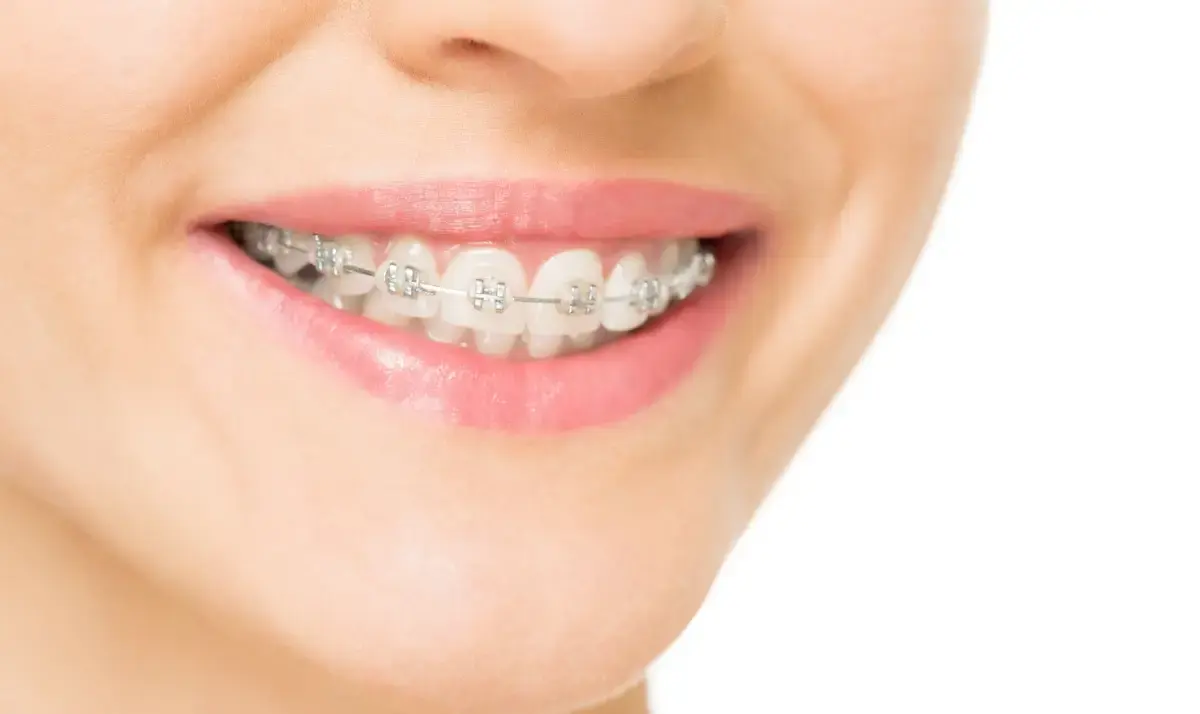
When it comes to choosing the right type of braces for your smile, there are many options to consider. One popular type of braces is ceramic clear braces. Ceramic clear braces are made of a translucent material that blends in with your teeth, making them much less noticeable than traditional metal braces. In addition, ceramic clear braces are much more comfortable to wear than metal braces and don’t cause as much irritation to the gums and cheeks.
However, ceramic clear braces do have some disadvantages. One downside is that they are more fragile than metal braces and can break more easily. They also tend to be more expensive than other types of braces. If you’re considering ceramic clear braces for your smile, be sure to talk to your orthodontist about the pros and cons so you can make the best decision for your needs.
Pros of Ceramic Clear Braces
Ceramic clear braces are a popular orthodontic treatment option for patients who want to improve their smile without metal brackets and wires.
While traditional metal braces are still the most common type of braces, ceramic braces offer several advantages, including:
1. Aesthetics:
Ceramic clear braces are made of clear or tooth-coloured brackets that blend in with your natural teeth. This makes them much less noticeable than metal braces, which can be a big advantage for adults who are concerned about their appearance during treatment.
2. Comfort:
Ceramic brackets are smaller and smoother than metal brackets, making them more comfortable to wear.
3. Reduced Treatment Time:
Because they are less visible than metal braces, ceramic braces tend to require fewer adjustments and appointments, which can shorten treatment time.
4. Reduced Risk of Decalcification:
The translucent material used for ceramic brackets is less likely to cause the white spots (decalcification) that can occur around the bracket area with metal braces.
If you’re considering orthodontic treatment, be sure to ask your orthodontist about the pros and cons of ceramic clear braces to see if they’re right for you.
5. Appearance Benefits
While ceramic braces offer many benefits over traditional metal braces, one of the most notable advantages is their esthetic appeal. Because ceramic braces are clear or tooth-colored, they are far less noticeable than metal braces, making them a popular choice among adults and teens who are self-conscious about their appearance.
6. Durability
When it comes to braces, durability is an important consideration. Ceramic clear braces are made of a strong, durable material that can withstand the wear and tear of daily life. However, they are not indestructible. Like all braces, ceramic clear braces can be damaged if they are not properly cared for.
Ceramic clear braces are more durable than traditional metal braces. They are less likely to break or chip, and they can withstand more wear and tear. However, they are not indestructible. Like all braces, ceramic clear braces can be damaged if they are not properly cared for.
To ensure that your ceramic clear braces last as long as possible, it is important to take good care of them. Be sure to brush and floss regularly, and avoid eating hard or sticky foods that can damage the brackets or wires. If you play sports or participate in other activities that could damage your braces, be sure to wear a mouthguard to protect them.
Cons of Ceramic Clear Braces
If you’re considering clear ceramic braces, it’s important to be aware of the potential disadvantages as well as the advantages.
Here are some of the cons of clear ceramic braces:
1. They’re More Expensive Than Metal Braces
Clear ceramic braces typically cost more than traditional metal braces. If cost is a major consideration for you, metal braces may be a better option.
2. They Require More Care and Maintenance
Clear ceramic braces require more care and maintenance than metal braces. You’ll need to avoid eating hard or sticky foods that can damage the brackets, and you’ll need to brush and floss carefully to avoid staining the teeth.
3. Maintenance Requirements
Ceramic braces are made of clear or white materials and are less visible than traditional metal braces. They are popular among adults who want to improve their smile but don’t want to wear metal braces. Ceramic braces are also used in people who have metal allergies.
Like all types of braces, ceramic braces need to be cleaned regularly. Plaque and food can build up around the brackets and wires, which can lead to tooth decay and gum disease. It’s important to brush your teeth thoroughly twice a day and floss once a day. You should also see your dentist for regular cleanings.
Ceramic braces are strong but can break if you bite into hard foods or chew on ice cubes. Be careful not to put too much pressure on your teeth when you eat or drink. If you play sports, you should wear a mouthguard to protect your teeth from injury.
If you have ceramic braces, it’s important to take good care of them so they last long and work well. With proper care, they can last for two years or more before they need to be replaced.
How to Care for Your Ceramic Clear Braces
If you’re considering ceramic clear braces, it’s important to know how to care for them properly.
Here are a few tips:
- Brush and floss your teeth regularly. This will help keep your braces clean and free of food particles.
- Avoid hard and chewy foods. These can damage your braces or make them more difficult to clean.
- Be careful with sugary drinks and snacks. Too much sugar can lead to cavities.
- Keep up with your regular dental appointments. Your dentist will be able to check for any problems with your braces or teeth.
Alternatives to Ceramic Clear Braces
There are a few alternatives to ceramic braces that may be better suited for your needs.
- Metal braces are the most common type of braces and have been used for decades. They are made of high-quality stainless steel and are very strong. They are also the least expensive type of braces.
- Lingual braces are another alternative to ceramic braces. They are placed on the back of your teeth so they are not visible. This can be a good option for people who are concerned about the appearance of their teeth.
- Invisalign is a newer type of orthodontic treatment that uses clear plastic aligners instead of brackets and wires. It is nearly invisible and can be removed for eating, drinking, and brushing your teeth.
Each patient’s needs are different, so it is important to talk to your orthodontist about which type of braces will work best for you.
Conclusion
Ceramic clear braces offer a great way to straighten teeth with cosmetic appeal. While they are not as durable as metal braces, they provide an ideal solution for those looking for a more discreet option and who may have had issues with traditional metal braces in the past. Being aware of the pros and cons of ceramic clear braces will help you make an informed decision when considering this treatment option. As always, it is important to consult your dentist before beginning any orthodontic treatment plan to ensure that all risks and benefits are understood.