
January 12, 2024
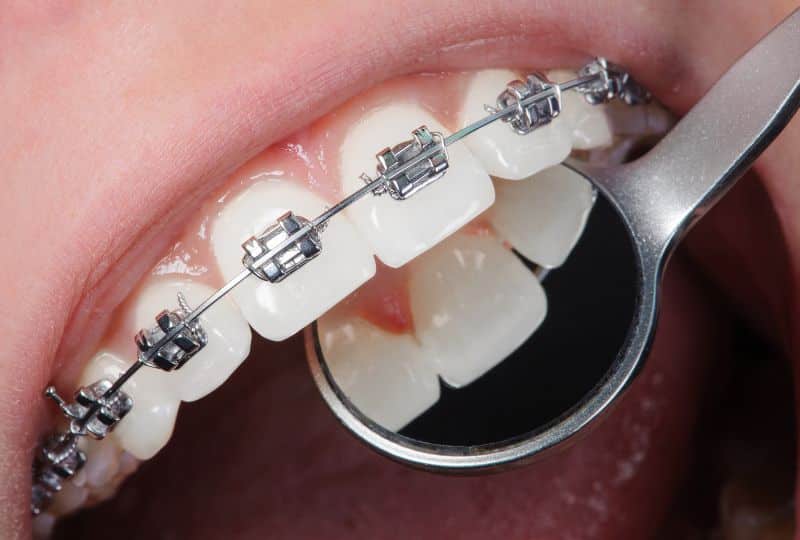
Orthodontic treatment is a transformative process, but unexpected emergencies can disrupt the progress. Knowing how to address orthodontic emergencies is crucial for maintaining comfort and ensuring the effectiveness of the treatment.
Types of Orthodontic Emergencies
Broken Brackets or Wires
Broken brackets or wires can be uncomfortable and require immediate attention. If you experience this issue, assess the damage, use orthodontic wax for a temporary fix, and contact your orthodontist promptly to schedule a repair.
Loose or Lost Bands
A loose or lost band can impact the overall treatment. If this occurs, carefully remove the band, save it for your orthodontist, use orthodontic wax to cover any sharp edges, and contact your orthodontist to discuss the situation.
Poking or Irritating Wires
Protruding wires can irritate the cheeks, lips, and tongue. If you encounter this issue, use orthodontic wax to cover the sharp end, try gently pushing the wire into a more comfortable position, and contact your orthodontist for further guidance.
Discomfort or Soreness
Orthodontic adjustments may lead to temporary discomfort. If you experience soreness, consider taking over-the-counter pain relievers as recommended by your orthodontist, applying a cold compress for relief, and using orthodontic wax to minimize irritation.
Immediate Steps For Orthodontic Emergencies
Broken Brackets or Wires
If you experience a broken bracket or wire, assess the situation by examining the extent of damage. Use orthodontic wax for a temporary fix to secure loose wires or brackets. It’s crucial to contact your orthodontist promptly to address the issue and avoid delaying your treatment plan.
Loose or Lost Bands
For a loose or lost band, remove it carefully to prevent swallowing and keep it in a safe place. Apply orthodontic wax if any sharp edges are irritating. Inform your orthodontist about the issue and schedule an appointment for a replacement.
Poking or Irritating Wires
In the case of poking or irritating wires, use orthodontic wax to cover the sharp end. Try to clip the excess wire with clean, sanitized nail clippers. Rinse your mouth with a warm saltwater solution for additional relief, and seek professional assistance from your orthodontist.
Discomfort or Soreness
If you experience discomfort or soreness after orthodontic adjustments, take over-the-counter pain relievers as directed by your orthodontist. Apply a cold compress to the affected area for 15-20 minutes, and use orthodontic wax to alleviate any irritation. If the discomfort persists, consult your orthodontist for guidance.
Prevention and Preparedness
Orthodontic Kit
Create a small orthodontic emergency kit containing orthodontic wax, tweezers, nail clippers, and over-the-counter pain relievers. This kit can be handy in addressing minor issues at home and providing temporary relief.
Regular Orthodontic Check-Ups
Scheduled orthodontic check-ups are crucial for identifying potential issues before they escalate into emergencies. Regular monitoring allows your orthodontist to make necessary adjustments and ensure the success of your treatment plan.
Communication With Your Orthodontist
Maintain open communication with your orthodontist. If you encounter any issues or have concerns about your treatment, don’t hesitate to reach out for guidance. A collaborative approach with your orthodontic team ensures a smoother journey toward achieving your desired smile.
Handling unexpected orthodontic emergencies requires a combination of preparedness, quick action, and communication with your orthodontist. By understanding how to address common issues such as broken brackets, loose bands, irritating wires, and discomfort, individuals undergoing orthodontic treatment can navigate emergencies with confidence. Proactive measures, such as creating an orthodontic emergency kit and attending regular check-ups, contribute to a smoother orthodontic journey. Remember, swift response and collaboration with your orthodontic team are key to minimizing disruptions and achieving successful treatment outcomes.