
May 20, 2026
Starting Invisalign is an exciting step toward a better smile. But once you begin wearing your aligners, a common question comes up: “How do I know it’s working?”
The good news is that Invisalign clear aligners are designed to move your teeth in small, steady steps. You may not see big changes right away, but there are clear signs that your treatment is on track.
Let’s walk through what to look for so you can feel confident about your progress.
Meet the Doctor Guiding Your Smile

At Tolleson Orthodontics, care is led by Dr. Tolleson, who is proud to serve the same community where he lives and raises his family.
He believes that improving a smile goes beyond looks. It supports confidence, comfort, and overall health. With advanced training and years of hands-on experience, he has helped thousands of patients through orthodontic care, including Invisalign treatment.
He is also a board certified orthodontist, showing his strong commitment to high standards and continued learning.
Outside of the office, he enjoys music, sports, and time with his family. His approach is simple, clear, and patient-focused.
If you are unsure about your aligner progress, now is a good time to call the pediatric dentist and get guidance that fits your needs.
What Should Invisalign Feel Like?
When you first start using Invisalign clear aligners, you may feel slight pressure. This is normal. This means your teeth are beginning to move.
Each new set of aligners should feel snug at first, then more comfortable after a few days. This pattern shows that your Invisalign treatment is active and working.
Signs Invisalign Is Working Properly
1. Aligners Fit Well on Your Teeth
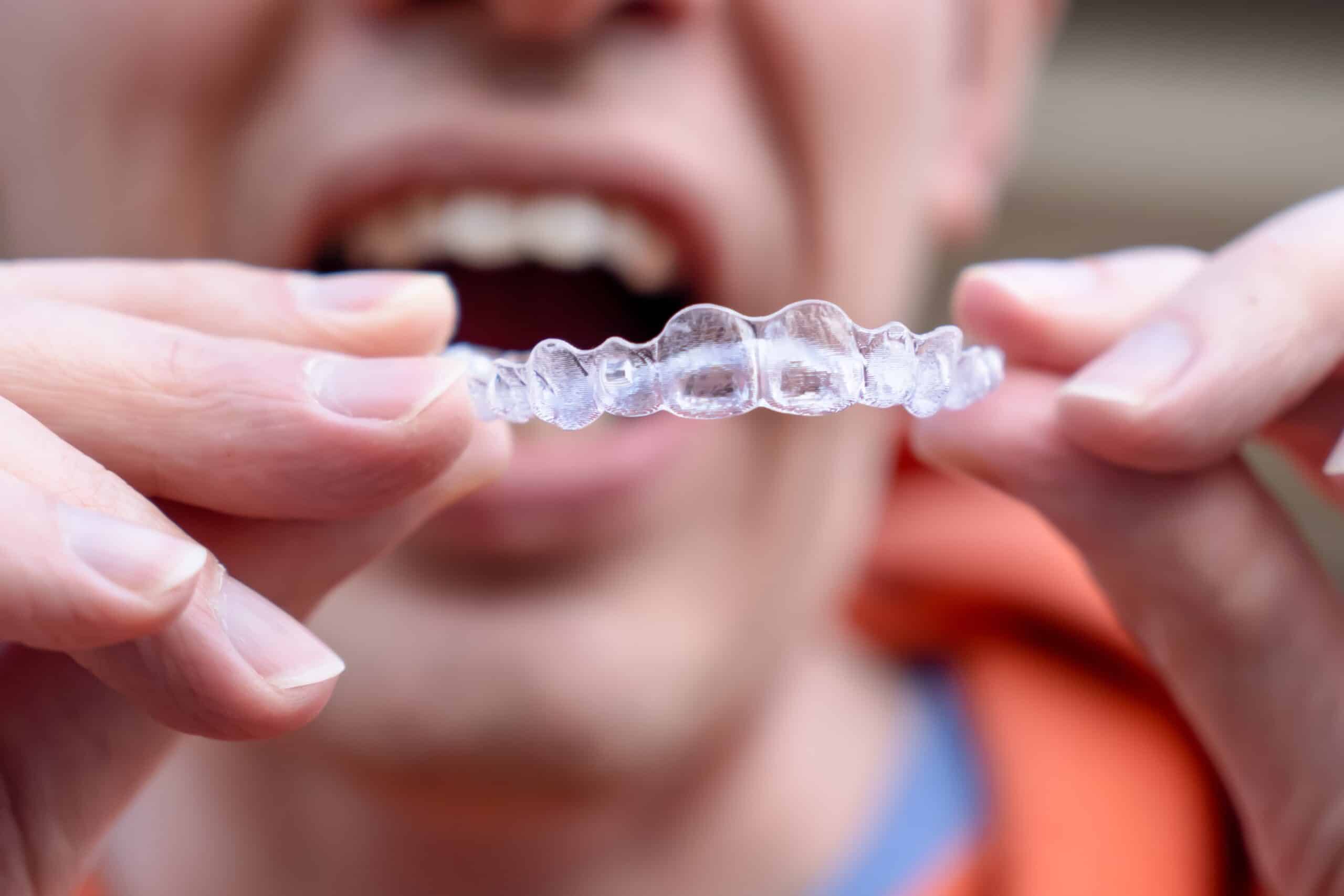
Your Invisalign clear aligners should sit close to your teeth with no large gaps. A tight fit means they are guiding your teeth into the right position.
2. Mild Pressure With New Trays
Each time you switch trays, you may feel light pressure. This is a sign that your Invisalign plan is moving forward as expected.
3. Gradual Changes in Your Smile
You may notice small shifts over time. Teeth may look more even or aligned. The changes are slow but steady with Invisalign clear aligners.
4. Attachments Stay in Place
Some patients have small attachments on their teeth. This helps the aligners work better. If they stay secure, your Invisalign treatment can stay on track.
5. Regular Checkups Show Progress
Your provider will monitor your progress during visits. These check-ins confirm that your Invisalign clear aligners are working as planned.
What If Something Feels Off?

Sometimes patients worry when something does not feel right. Here are the signs you should not ignore:
- Aligners feel loose or do not fit
- Pain that does not go away
- The tray does not fully seat on your teeth
- You skipped wearing aligners for long hours
If you notice any of these, reach out for guidance. Small issues are easier to fix early.
The Role of Consistency
Your results depend on how well you follow your plan.
To keep your Invisalign treatment on track:
- Wear aligners 20 to 22 hours daily
- Switch trays on time
- Keep your Invisalign clear aligners clean
- Attend all checkups
Consistency helps your teeth move as planned.
How Long Before You See Results?
Every smile is different. Some patients notice small changes within a few weeks. For others, it may take a bit longer.
The key is steady progress. With Invisalign clear aligners, changes build over time. Trust the process and keep following your plan.
Conclusion
Knowing if your Invisalign treatment is working comes down to a few clear signs. A proper fit, mild pressure, and gradual changes all show that your smile is moving in the right direction.
If you ever feel unsure, it is always best to ask. You can schedule a consultation with Tolleson Orthodontics to review your progress. If you have questions or need support, contact our dental office and take the next step toward a confident, healthy smile.
FAQs
1. How can I tell if my teeth are moving in the right direction?
You may notice small changes over time, such as slight pressure or a different feel when wearing your trays. These are signs that your teeth are adjusting gradually.
2. Is it normal to feel discomfort when using dental devices?
Mild discomfort or pressure is common, especially when starting something new. It usually fades as your teeth adjust.
3. What should I do if something doesn’t feel right in my mouth?
If you notice anything unusual, such as a poor fit or discomfort that does not improve, it is best to reach out to your dental provider for guidance.
4. Can skipping parts of my routine affect my progress?
Yes, staying consistent with your daily routine plays a big role in how well your teeth respond over time.
5. Why are regular dental checkups important during any treatment?
Checkups help monitor progress and catch small issues early, making sure everything is moving in the right direction.