

July 20, 2026
Timing is everything—even when it comes to your child’s orthodontic treatment. “Early” treatment, also called “interceptive” treatment, means treatment that is performed while some baby teeth are still present.
For families in Southlake, Texas, an early orthodontic evaluation can help identify developing concerns before they become more complex. If you are considering orthodontic treatment Southlake, understanding the purpose and benefits of early care can help you make informed decisions about your child’s smile.
The American Association of Orthodontists (AAO) recommends that your child’s first check-up with an orthodontist be performed when an orthodontic problem is first recognized, but no later than age 7. Why age 7? By then, your child has enough permanent teeth for an orthodontist to evaluate the developing teeth and jaws, which can provide valuable information about future growth and alignment. Orthodontists are trained to spot subtle problems even in young children.
What Happens During an Early Orthodontic Check-Up?
An early orthodontic visit does not automatically mean your child needs braces or other treatment. The purpose of the appointment is to evaluate how the teeth, jaws, and facial structures are developing.
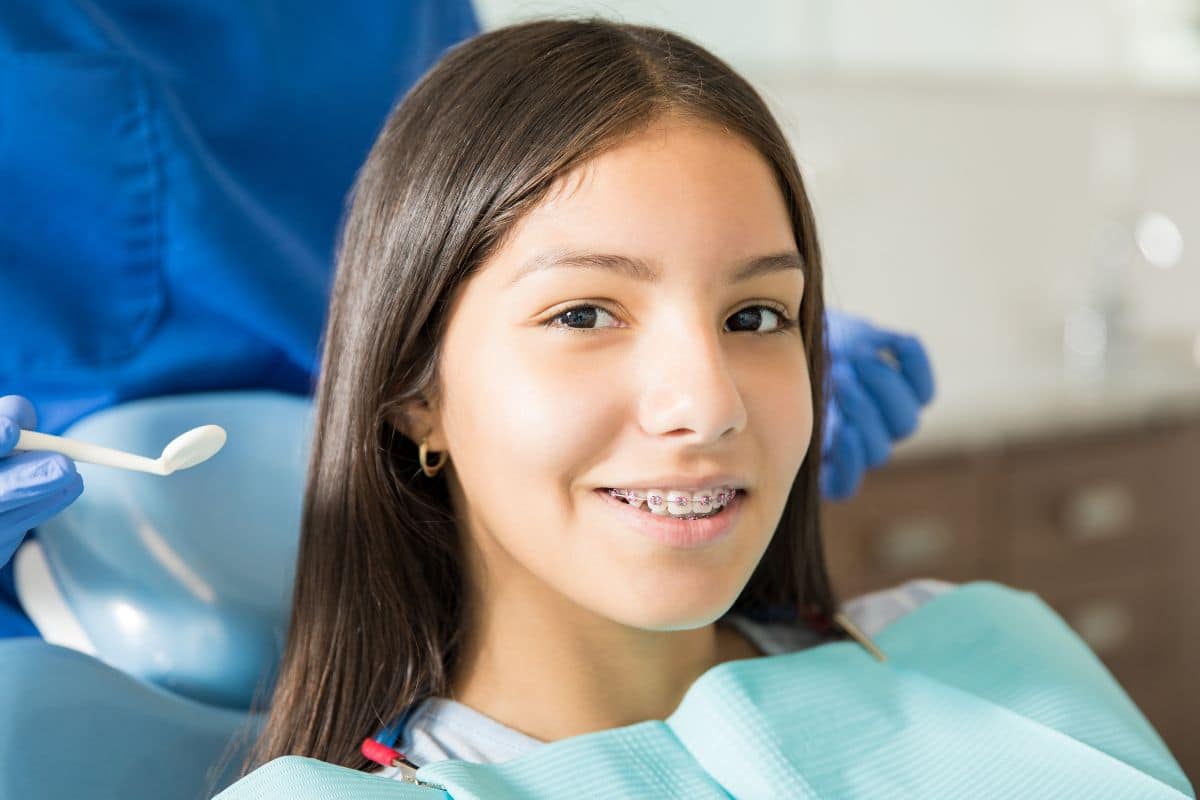
During the examination, the orthodontist may assess:
- How the upper and lower jaws fit together
- Whether there is enough space for permanent teeth
- The position and eruption pattern of developing teeth
- Signs of crowding or spacing
- Bite concerns, such as an underbite or crossbite
- Oral habits that may affect tooth or jaw development
There are generally three outcomes of an initial check-up:
- No treatment is expected to be necessary.
Your child’s teeth and jaws may be developing normally, and no orthodontic treatment may be needed at that time. - Treatment may be needed in the future.
The child may be followed periodically while the face and jaws continue to grow. This allows the orthodontist to monitor development and recommend treatment at the appropriate time. - There is a problem that may benefit from early treatment.
Some concerns are easier to manage while a child is still growing and has a combination of baby and permanent teeth.
Why Early Orthodontic Treatment May Be Recommended
While many orthodontic problems are best treated after all permanent teeth have erupted, early orthodontic treatment may be in a patient’s best interest when a developing issue could become more serious over time.
The goal of early treatment is to intercept the developing problem, eliminate or reduce its cause, guide the growth of the facial and jaw bones, and provide adequate space for incoming permanent teeth.
Early treatment may help:
- Guide jaw growth
- Improve how the upper and lower teeth fit together
- Create space for permanent teeth
- Reduce severe crowding
- Improve certain bite problems
- Address harmful oral habits
- Support healthier dental development
A patient may still require a second course of treatment after all permanent teeth have come in. This later phase may involve moving the permanent teeth into their best positions and refining the bite. Early treatment does not always eliminate the need for future orthodontic care, but it may make later treatment simpler or help prevent a developing problem from becoming more severe.
Orthodontic Problems That May Benefit From Early Treatment
The kinds of problems orthodontists may recommend treating while a child still has some baby teeth include:
Underbites
An underbite occurs when the lower front teeth are positioned ahead of the upper front teeth. In some cases, early treatment may help guide jaw growth and improve the relationship between the upper and lower jaws.
Crossbites
A crossbite occurs when one or more upper teeth fit inside the lower teeth. Sometimes, the jaw shifts to one side when the child bites down. Early evaluation can help determine whether treatment may be beneficial.
Very Crowded Teeth
Severe crowding may make it difficult for permanent teeth to erupt into appropriate positions. Early treatment may help create or preserve space for developing teeth.

Excessively Spaced Teeth
Large spaces between teeth may be related to tooth size, jaw development, or missing teeth. An orthodontist can determine whether the spaces are part of normal development or require monitoring or treatment.
Extra or Missing Teeth
Extra teeth or missing permanent teeth can affect how surrounding teeth develop and erupt. Early identification allows the orthodontist to plan for future treatment and coordinate care when needed.
Teeth That Meet Abnormally—or Do Not Meet at All
An abnormal bite can affect chewing, speech, and tooth wear. Some bite concerns may be easier to address while the jaws are still growing.
Thumb-, Finger-, or Pacifier-Sucking Habits
Long-term sucking habits can affect the position of the teeth and the growth of the jaws. An orthodontist can evaluate whether the habit is contributing to a developing problem and recommend appropriate next steps.
Some orthodontic problems are inherited, while others may result from accidents, dental disease, prolonged oral habits, or abnormal swallowing patterns.
What Does Early Orthodontic Treatment Involve?
Early orthodontic treatment can take many forms. The orthodontist may prescribe a fixed or removable appliance—a device used to move teeth, change the position of the jaw, or hold teeth in place to bring about desirable changes.
Depending on the child’s needs, treatment may include:
- A removable orthodontic appliance
- A fixed appliance
- A space-maintaining device
- An appliance designed to guide jaw development
- Monitoring without active treatment
Sometimes, no appliance is necessary. The removal of selected baby teeth may help permanent teeth erupt more favorably. If extractions are recommended, they are carefully timed to take the best advantage of a patient’s growth and dental development.
Every child develops differently, so treatment plans are individualized. The orthodontist considers the child’s age, growth pattern, dental development, bite, and long-term orthodontic needs before recommending care.
The Benefits of Early Evaluation
Early orthodontic care is not about beginning treatment as soon as possible. It is about identifying the right time for treatment based on the child’s individual needs.
An early evaluation may provide several benefits:
- Detect developing problems before they become more complex
- Monitor jaw and facial growth
- Identify concerns that may require timely treatment
- Help guide permanent teeth into more favorable positions
- Reduce the risk of certain bite problems worsening
- Provide parents with a clearer understanding of future orthodontic needs
Waiting until all permanent teeth have erupted—or until facial growth is nearly complete—may make correction of some problems more difficult. However, many children only need periodic monitoring during their early years.
Give Your Child’s Smile the Right Start
Regardless of how treatment goals are reached, the bottom line is that some orthodontic problems may be easier to correct when they are found and treated early. A timely orthodontic evaluation can help identify concerns, monitor healthy development, and determine whether treatment is needed now or later.
To give your child the best opportunity for a healthy, beautiful smile, visit a qualified orthodontist. Your orthodontist can alert you to potential problems and recommend treatment when it is most appropriate for your child.
At Tolleson Orthodontics, families receive personalized guidance based on each child’s unique growth and orthodontic needs. Call (817) 416-2200 to schedule an orthodontic evaluation and learn whether early treatment may benefit your child.
Remember, timing is everything.
Frequently Asked Questions
What age should a child first see an orthodontist?
The AAO recommends that children have their first orthodontic evaluation by age 7. At this age, enough permanent teeth have usually erupted for an orthodontist to assess dental development, jaw growth, and potential orthodontic concerns.
Does an early orthodontic evaluation mean my child needs braces?
No. Many children do not need immediate treatment. The orthodontist may recommend no treatment, periodic monitoring, or early intervention depending on the child’s individual needs.
Can early orthodontic treatment prevent braces later?
Not always. Some children may still need a second phase of treatment after all permanent teeth have erupted. Early treatment may help address specific developing problems and can make later treatment more manageable in some cases.
What is interceptive orthodontic treatment?
Interceptive orthodontic treatment is early treatment performed while some baby teeth are still present. Its purpose is to address certain developing problems, guide jaw growth, create space for permanent teeth, or prevent a condition from becoming more severe.
How long does early orthodontic treatment take?
Treatment time varies based on the child’s orthodontic needs and growth pattern. Some early treatment plans last several months, while others may take longer. The orthodontist will explain the expected timeline after completing an evaluation.