
June 19, 2026
Braces are a big step toward a healthier and straighter smile, but they also require extra attention when it comes to oral hygiene. Food particles and plaque can easily collect around brackets and wires, making cleaning more difficult than usual.
Without proper care, patients may experience cavities, gum irritation, staining, or bad breath during treatment. The good news is that a few simple habits can help keep your teeth healthy while your smile is being corrected.
At Tolleson Orthodontics, one of the most common questions patients ask is how to properly clean their teeth with braces. Whether you recently started treatment or are preparing for braces soon, understanding the right techniques can make the process much easier.
Why Braces Make Cleaning More Challenging
Brackets and wires create small spaces where food and plaque can build up throughout the day.
Even after a quick meal or snack, food particles may remain trapped:
- Around brackets
- Between teeth
- Under wires
- Near the gums
If plaque stays on the teeth for too long, it may increase the risk of enamel staining, cavities, and gum problems.
Many families researching dental braces in Southlake are often surprised by how much daily oral hygiene affects the final results of orthodontic treatment.
Brush More Carefully Than Before
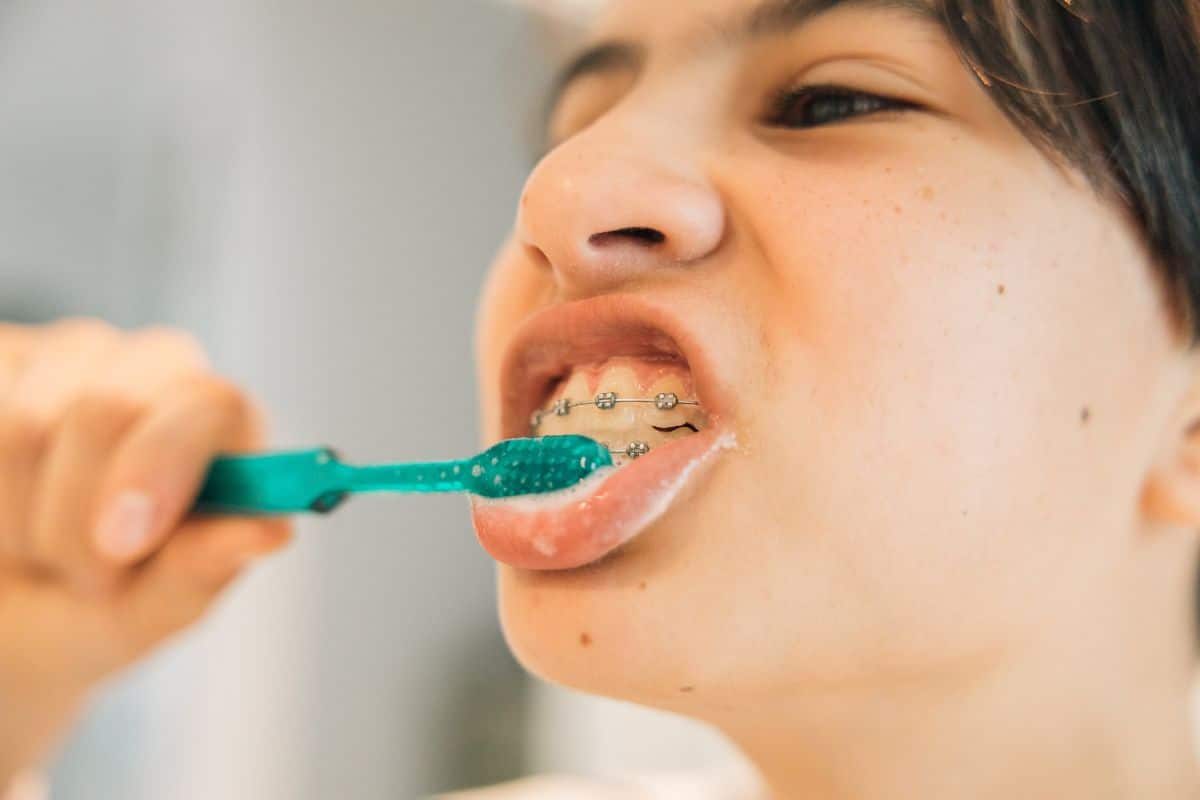
Brushing with braces takes a little more patience because each bracket needs attention individually.
Instead of brushing quickly, focus on cleaning every side of the brackets and along the gumline.
Helpful brushing tips include:
- Use a soft-bristled toothbrush
- Brush after meals whenever possible
- Hold the brush at different angles
- Spend at least two minutes brushing
- Don’t forget the back teeth and gums
Some patients also prefer electric toothbrushes because they may help remove plaque more effectively around braces.
Flossing Still Matters
Many patients assume flossing becomes less important once braces are placed, but the opposite is true.
Braces make it easier for plaque to collect between teeth where toothbrushes cannot fully reach.
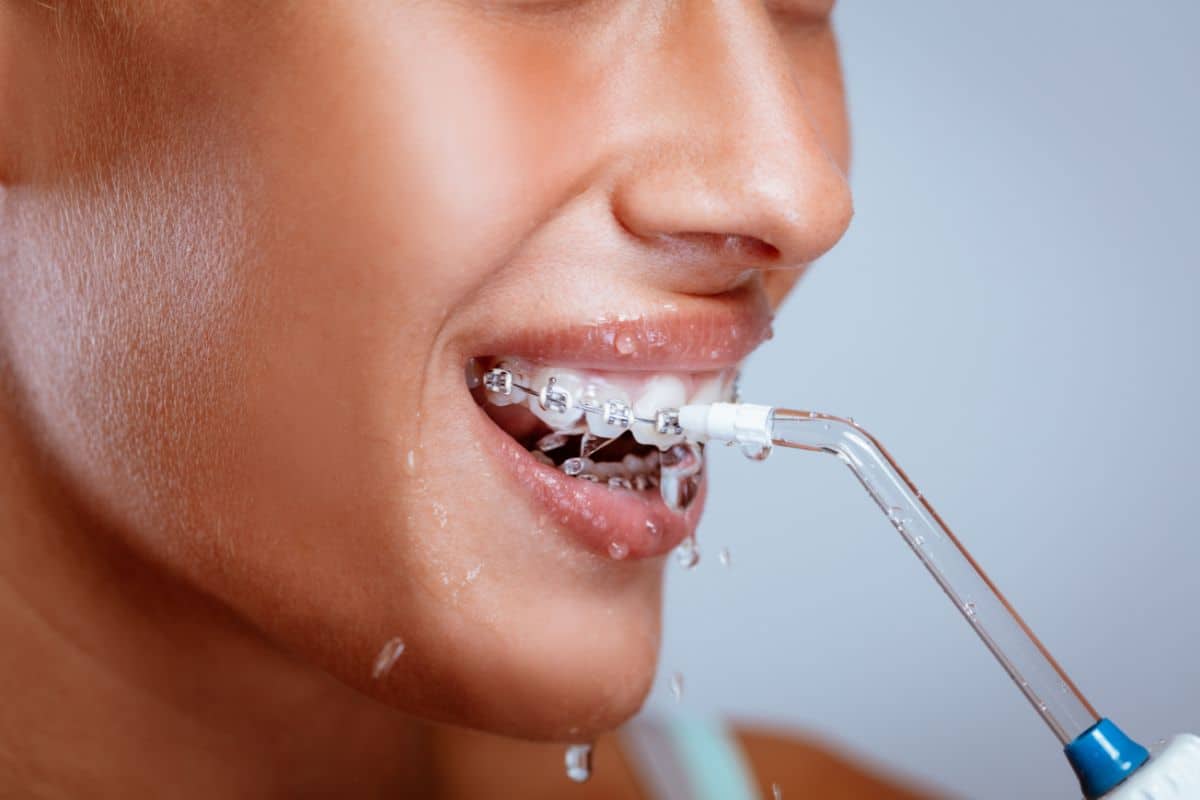
Helpful tools that make flossing easier include:
- Floss threaders
- Water flossers
- Orthodontic floss picks
- Interdental brushes
Patients who floss consistently during treatment often experience healthier gums and fewer oral hygiene problems overall.
Be Careful With Certain Foods
Some foods can damage braces or become trapped around wires very easily.
Foods commonly avoided during treatment include:
- Sticky candy
- Caramel
- Popcorn
- Ice
- Hard chips
- Hard nuts
Cutting food into smaller pieces can also help reduce pressure on brackets and wires while eating.
Don’t Ignore White Spots Around Braces
One common issue orthodontists sometimes see after braces treatment is white spot lesions.
These chalky white marks can form when plaque stays around brackets for too long and begins weakening the enamel.
Although braces help straighten teeth, poor oral hygiene habits during treatment may leave behind visible discoloration after the braces are removed.
Consistent brushing and flossing can help lower the risk of these spots developing.
Routine Dental Visits Are Still Important
Even with excellent brushing habits at home, professional dental cleanings remain important during orthodontic treatment.
Regular cleanings help remove plaque and tartar from areas that are difficult to clean with braces.
Routine visits also allow dental professionals to monitor:
- Gum health
- Early signs of cavities
- Plaque buildup
- Enamel condition
If you live near Southlake and have questions about caring for braces properly, regular orthodontic visits can help keep treatment progressing smoothly.
Small Habits Can Make a Big Difference
Sometimes the smallest routines have the biggest impact during orthodontic treatment.
Carry a Travel Toothbrush
Keeping a toothbrush nearby can make cleaning after meals easier during school or work.
Drink More Water
Water helps rinse away food particles and supports a healthier mouth environment.
Check Teeth in the Mirror
Looking closely after meals can help identify food trapped around brackets.
Stay Consistent
Patients who stay consistent with oral hygiene throughout treatment often experience healthier and smoother results once braces come off.
Final Thoughts
Keeping your teeth clean while wearing braces takes extra effort, but healthy habits can help protect your smile throughout treatment.
Brushing carefully, flossing consistently, and attending routine appointments all play an important role in maintaining healthy teeth and gums while your smile improves.
If you have questions about braces care or orthodontic treatment, the team at Tolleson Orthodontics is here to help. Call (817) 416-2200 to schedule an appointment and learn more about your treatment options.
Frequently Asked Questions
How often should I brush with braces?
Patients should ideally brush after meals and before bedtime.
Is flossing necessary while wearing braces?
Yes. Flossing helps remove plaque and food between teeth where brushing cannot fully reach.
Can braces increase cavity risk?
Poor oral hygiene during braces treatment may increase the risk of cavities and enamel staining.
Are electric toothbrushes helpful with braces?
Many patients find electric toothbrushes useful for cleaning around brackets and wires more effectively.
What foods should I avoid with braces?
Sticky, hard, and chewy foods are commonly avoided because they may damage braces.