
September 30, 2025
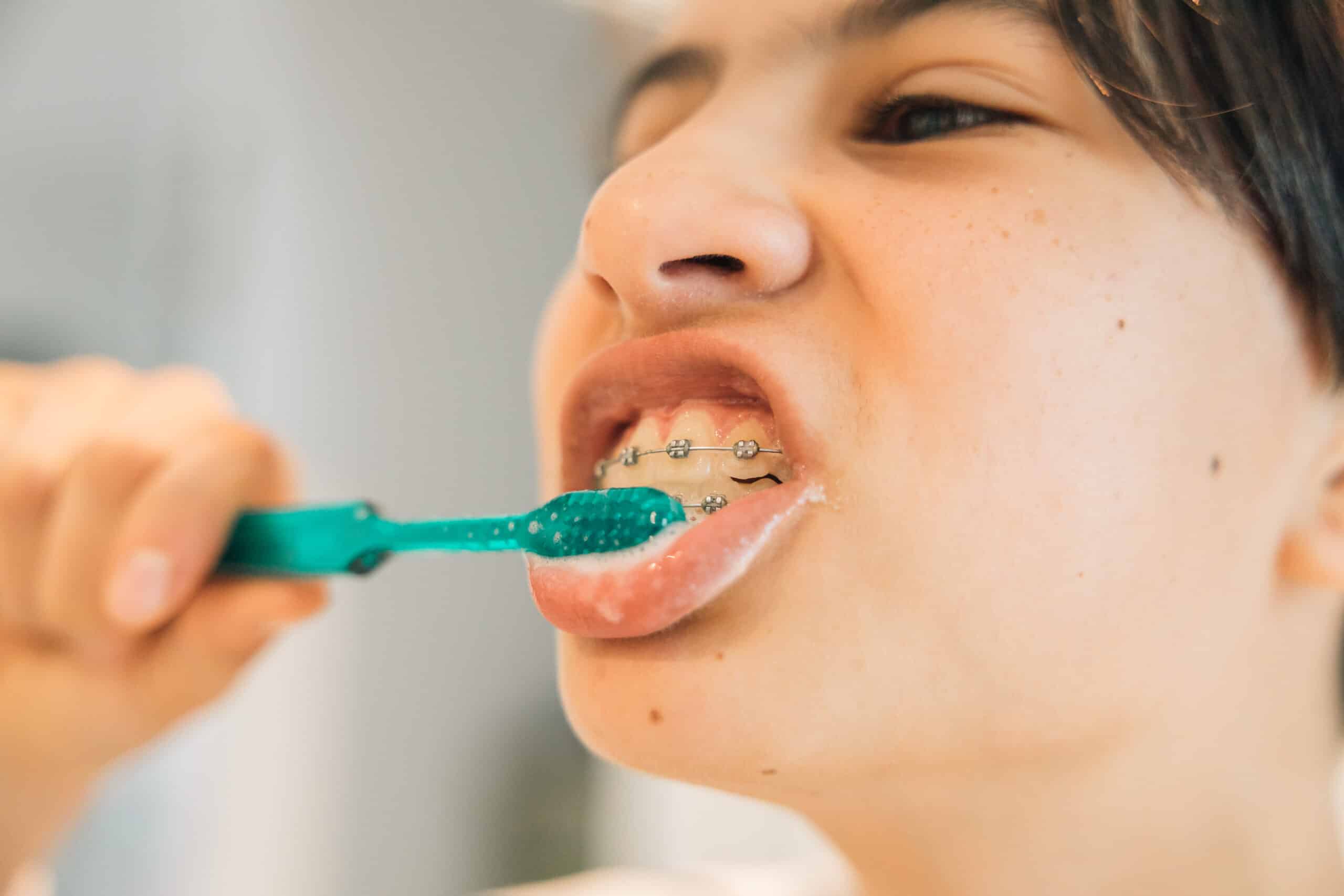
When you first get braces, brushing might feel like a puzzle. Food particles seem to find their way into every wire and bracket, and your usual brushing routine may not be enough. But with the right approach and a few simple techniques, keeping your smile healthy throughout your orthodontic journey is easier than you might think.
Here’s what your orthodontist wants you to know about maintaining top-notch oral hygiene while wearing braces.
Why Brushing Matters More When You Have Braces
Braces create new surfaces where food and plaque can hide. Without proper cleaning, these trapped particles can lead to white spots (early signs of decay), gum inflammation, and bad breath.
In fact, studies from the American Association of Orthodontists show that patients who brush effectively during treatment are 40% less likely to develop demineralization or staining once their braces come off.
The bottom line? A few extra minutes of brushing can protect months of orthodontic work and preserve your long-term oral health.
How Often Should You Brush?
Most orthodontists recommend brushing at least three times a day—after breakfast, lunch, and before bed.
If brushing after every meal isn’t possible, rinsing your mouth with water or a fluoride mouthwash can help reduce buildup until you can brush properly.
It’s not just about brushing more often, though—it’s about brushing the right way.
The Right Way to Brush with Braces
Follow these orthodontist-approved steps for a clean and healthy mouth:
- Start with a Rinse:
Swish water or mouthwash to loosen food particles stuck between wires and brackets. - Use a Soft-Bristled or Orthodontic Toothbrush:
A soft toothbrush or a V-shaped orthodontic brush helps clean around the brackets without damaging them. - Angle the Brush Correctly:
Hold your toothbrush at a 45-degree angle to clean above and below each bracket. Don’t rush—take your time to reach every surface. - Don’t Forget the Gumline:
Plaque often builds up where the teeth meet the gums. Gently brush along the gumline to prevent gingivitis. - Use an Interdental Brush or Water Flosser:
These small tools help remove debris between brackets and under wires where a regular brush can’t reach. - Finish with Fluoride Toothpaste:
Strengthen enamel and reduce the risk of decalcification with fluoride-based toothpaste.
Common Mistakes to Avoid When Brushing with Braces
Even with the best intentions, some habits can make cleaning less effective—or even harm your braces:
- Brushing too hard: This can wear down enamel and damage your brackets. Use gentle, circular motions instead.
- Skipping flossing: Even though it’s trickier, flossing with a floss threader or water flosser is essential.
- Ignoring small particles: Food buildup behind wires or near molars often goes unnoticed—check using a mirror.
- Using whitening toothpaste: This can cause uneven color when the brackets are removed, leaving lighter spots.
Avoiding these common errors ensures your smile looks as great as it feels when your braces come off.
Best Oral Hygiene Tools for Braces Wearers
Your orthodontist may suggest adding a few specialized tools to your daily routine:
- Interdental brushes – for cleaning tight spaces between wires.
- Water flossers – for easy plaque removal using gentle water pressure.
- Orthodontic wax – to prevent irritation while brushing around brackets.
- Antibacterial mouthwash – to reduce gum inflammation and freshen breath.
Investing in the right tools can make your daily routine quicker and far more effective.
Quick Featured Snippet: How to Brush with Braces (Step-by-Step)
To brush with braces: Use a soft-bristled toothbrush, angle it 45° toward the gumline, clean above and below each bracket using circular motions, and spend about 2 minutes brushing all surfaces. Rinse and follow up with a water flosser or interdental brush.
This step-by-step answer format helps the post rank for voice searches and featured snippets.
What Happens If You Don’t Brush Properly with Braces?
Neglecting proper brushing can lead to visible plaque buildup, gum swelling, and tooth discoloration. Over time, these issues may delay treatment or require additional dental cleanings. In severe cases, your orthodontist might even need to pause adjustments until your oral hygiene improves.
Remember, braces are temporary—but the effects of poor brushing can last much longer.
Final Thoughts: Consistency Is Key
Good brushing habits aren’t just about following instructions—they’re about building consistency. When you brush carefully and regularly, you’re protecting your smile investment and making sure your braces treatment stays on schedule.
Schedule Your Next Visit
Maintaining excellent oral hygiene while wearing braces doesn’t have to be difficult. With professional guidance and the right tools, you can keep your smile healthy and bright throughout your orthodontic journey.
Ready for personalized care and expert tips on brushing with braces?
Contact Tolleson Orthodontics today to schedule your next visit or consultation.