
December 4, 2025
Sore spots on the inside of your lips or cheeks can quickly turn everyday activities, like eating or talking, into an uncomfortable experience. For patients undergoing orthodontic care, this irritation is a frequent concern, especially during the early stages of treatment or after adjustments. The good news? These sore areas are usually manageable with the right care and guidance.
If you’re receiving orthodontic treatment in the Southlake area, understanding why these sore spots develop and how to relieve them can make a noticeable difference in your comfort and overall treatment experience.
Why Do Orthodontic Appliances Cause Mouth Irritation?
Brackets, wires, and aligners introduce new surfaces inside the mouth. While these appliances are designed for precision and long-term alignment, the soft tissues of the cheeks and lips often need time to adjust.
Common causes include:
-
Friction from brackets or wires rubbing against delicate inner tissue
-
Recent adjustments, which may temporarily increase pressure or movement
-
Appliance edges or broken components, especially if a wire shifts
-
Natural mouth movement, such as speaking or chewing, which repeatedly contacts the same area
For many patients, mild irritation improves within one to two weeks as the mouth adapts.
Early Signs You Shouldn’t Ignore
Sore spots often begin subtly but can worsen without care. Watch for:
-
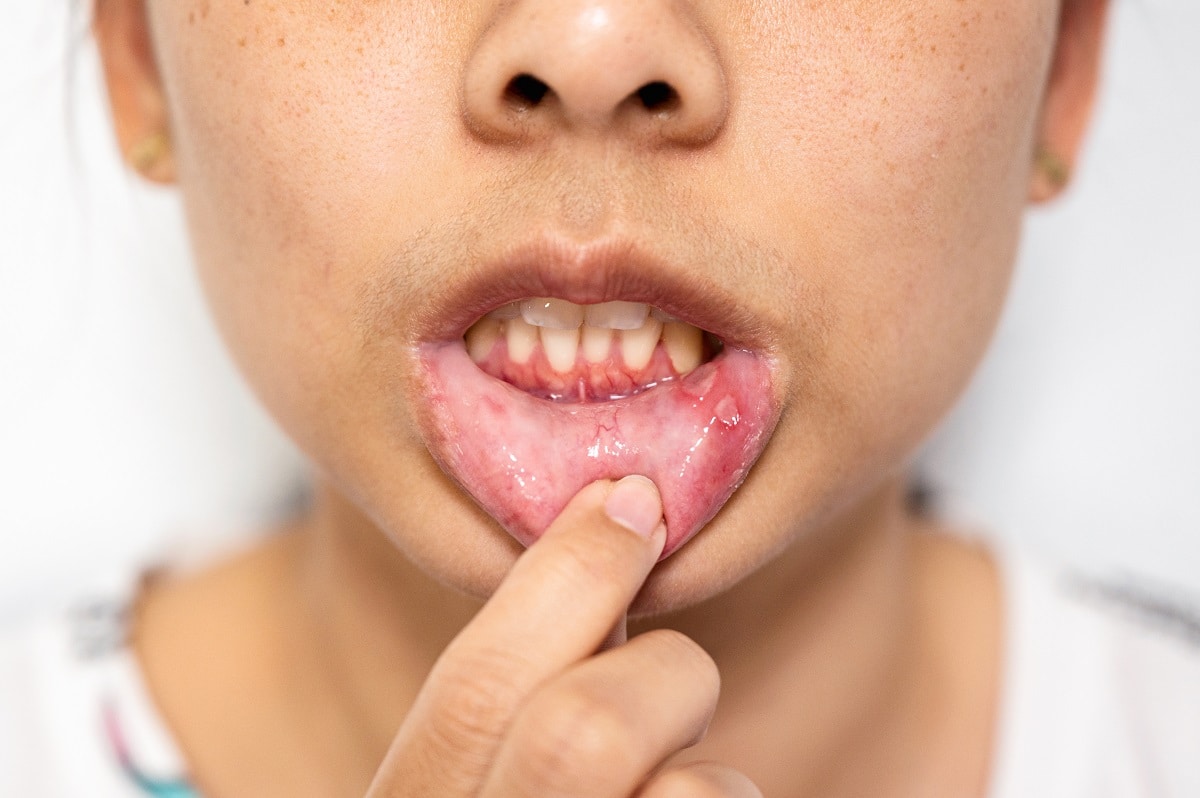
Red or white patches on the inside of the cheeks or lips
-
Tender or burning sensations when eating acidic or spicy foods
-
Small ulcer-like areas that feel raw to the touch
If discomfort escalates or persists beyond a few days, it may signal an issue that requires professional attention.
Quick Relief for Sore Spots Inside the Mouth
What helps relieve sore spots caused by orthodontic appliances?
Applying orthodontic wax to irritating brackets, rinsing with warm salt water, avoiding rough or acidic foods, and maintaining gentle oral hygiene can significantly reduce discomfort. Persistent pain or sharp components should be evaluated by an orthodontic professional.
Practical At-Home Tips That Actually Work
Managing irritation doesn’t require complicated solutions. These orthodontist-approved steps can help soothe sore areas:
Use Orthodontic Wax Correctly
Cover brackets or wire tips that rub against your cheeks. This creates a smooth barrier and reduces friction almost immediately.
Rinse With Salt Water
A warm saltwater rinse (½ teaspoon of salt in a cup of warm water) can calm inflamed tissue and support healing. Studies published in dental journals show saline rinses help reduce oral inflammation and bacterial load.
Stick to Soft, Non-Irritating Foods
Choose yogurt, eggs, smoothies, and soups while sores heal. Avoid chips, crusty bread, citrus, and spicy foods that can worsen irritation.
Keep Oral Hygiene Gentle but Consistent
Plaque buildup can slow healing. Use a soft-bristled toothbrush and avoid aggressive brushing near sore areas.
When Is a Sore Spot an Orthodontic Emergency?
While most irritation is minor, certain situations require prompt care—especially if a wire breaks or a bracket shifts unexpectedly. Contact an orthodontic office experienced in urgent appliance concerns if you notice:
-
Sharp pain caused by a protruding wire
-
Open sores that don’t heal within 7–10 days
-
Swelling, bleeding, or signs of infection
-
Difficulty eating or speaking due to appliance movement
These situations often fall under orthodontic emergency care and shouldn’t be delayed.
How Long Do Sore Spots Typically Last?
For most patients, discomfort fades as the mouth adapts, usually within a week. After adjustments, tenderness may return briefly but should resolve faster than the initial phase. Ongoing irritation may indicate that an appliance needs adjustment, not that treatment is failing.
Orthodontic care provided by a trusted local specialist familiar with Southlake patients’ needs focuses on minimizing these disruptions while keeping treatment on track.
Preventing Future Irritation
You can reduce the chances of recurring sore spots by:
-
Attending regular checkups to ensure appliances fit correctly
-
Reporting discomfort early instead of waiting
-
Keeping wax handy, especially after adjustments
-
Following appliance care instructions closely
Proactive communication with your orthodontic team is key to staying comfortable throughout treatment.
When to Reach Out for Professional Care
Sore spots are common, but persistent pain isn’t something you should push through. If irritation interferes with daily life or worsens, it’s best to seek professional advice. Timely care can prevent small issues from becoming larger treatment delays.
Schedule Help With Orthodontic Discomfort Today
If sore spots inside your mouth are affecting your comfort or you’re concerned about a broken or irritating appliance, the team at Tolleson Orthodontics is here to help. Prompt evaluation and expert care can restore comfort and protect your treatment progress.
Call or book an appointment today to get relief and peace of mind.