
June 26, 2026
Completing braces treatment is an exciting milestone. After months or even years of wearing braces, seeing your newly aligned smile can feel incredibly rewarding. However, many patients are surprised to learn that orthodontic treatment doesn’t truly end when the braces come off.
Retainers play a critical role in maintaining the results achieved through braces. Without proper retainer use, teeth can gradually shift back toward their original positions, potentially undoing much of the progress made during treatment.
If you’ve recently completed braces or are considering orthodontic treatment Southlake patients trust, understanding the importance of retainers can help you protect your investment and keep your smile looking its best.
Why Do Teeth Move After Braces?
The Short Answer
Teeth naturally want to return to their previous positions after braces are removed.
During orthodontic treatment, braces apply gentle pressure to move teeth through the jawbone into proper alignment. Although the teeth may appear stable once treatment is complete, the surrounding bone, gums, and ligaments need time to adapt to their new positions.
Without a retainer, these tissues can pull teeth back toward where they started.
What Does a Retainer Do?
A retainer is a custom-made orthodontic appliance designed to keep teeth in their corrected positions after braces.
Retainers help:
- Prevent teeth from shifting
- Maintain bite alignment
- Protect orthodontic results
- Support long-term smile stability
- Reduce the need for future corrective treatment
Think of a retainer as the final step in your orthodontic journey. While braces create the alignment, retainers help preserve it.
How Long Do You Need to Wear a Retainer?
Immediate Post-Braces Period
Most orthodontists recommend wearing retainers consistently after braces are removed. This initial phase is especially important because the teeth are most vulnerable to movement during this time.
Patients are often instructed to wear their retainers for most of the day, removing them only for eating, drinking, brushing, and flossing.
Long-Term Maintenance
Over time, many patients transition to nighttime-only wear.
However, teeth can continue to shift throughout life due to natural aging and changes in the jaw. For this reason, many orthodontists recommend wearing retainers indefinitely at night to maintain long-term results.
What Happens If You Stop Wearing Your Retainer?
One of the most common mistakes patients make is assuming their teeth will stay perfectly aligned without a retainer.
When retainers are not worn as instructed, teeth may begin shifting gradually.
Potential consequences include:
- Crowding of front teeth
- Changes in bite alignment
- New gaps between teeth
- Rotated teeth
- Relapse of previous orthodontic issues
In some cases, significant movement may require additional orthodontic treatment to correct.
Types of Retainers
Orthodontists typically recommend one of several types of retainers depending on the patient’s needs.
Removable Clear Retainers
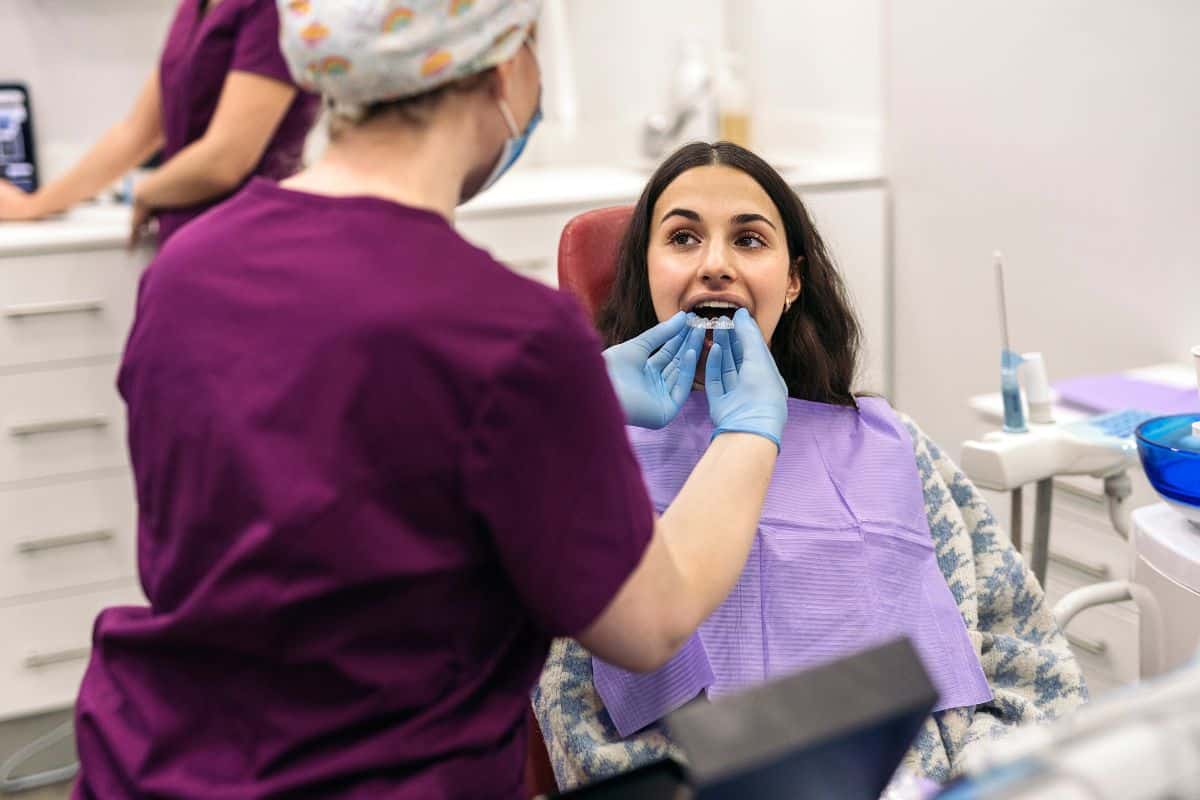
These retainers are made from transparent plastic and fit snugly over the teeth.
Benefits include:
- Nearly invisible appearance
- Comfortable fit
- Easy removal for meals and cleaning
Hawley Retainers
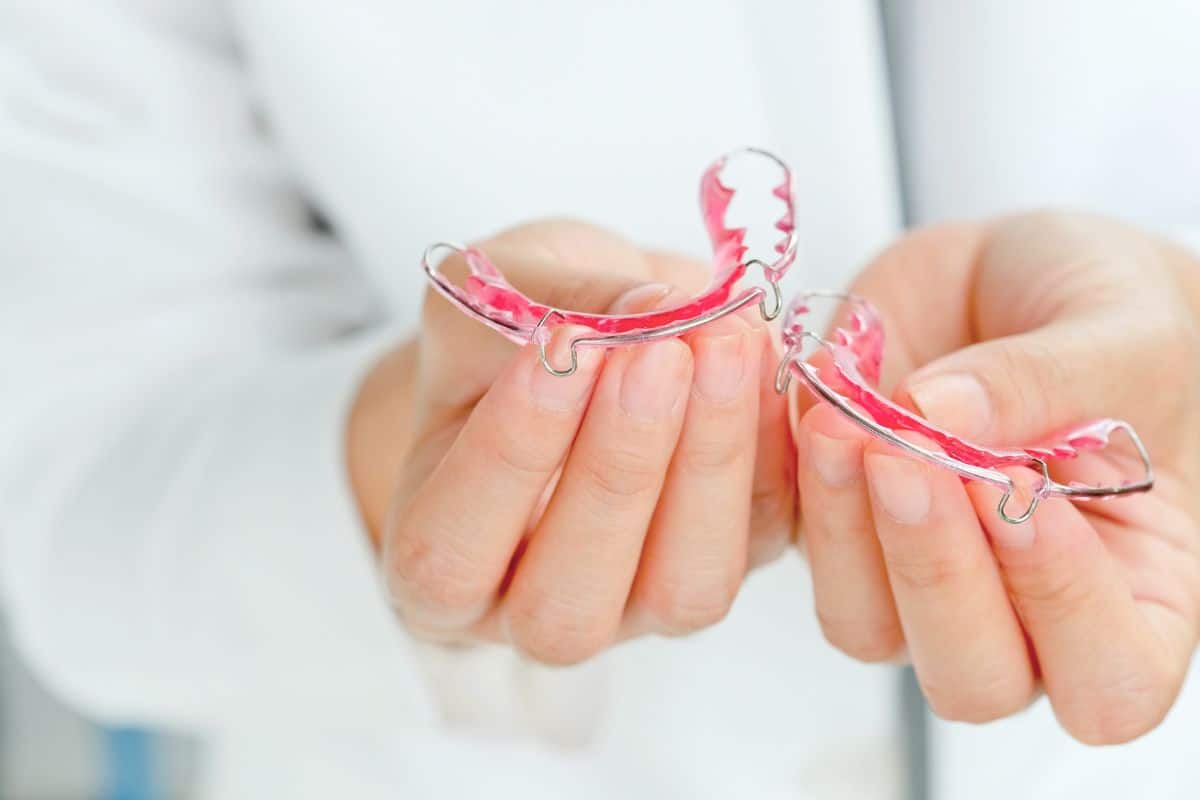
Hawley retainers consist of an acrylic base and a thin wire that helps hold teeth in place.
Advantages include:
- Durable construction
- Adjustable design
- Long lifespan with proper care
Fixed Retainers
Fixed retainers are bonded to the back surfaces of certain teeth and remain in place continuously.
Benefits include:
- Constant retention
- No risk of forgetting to wear them
- Excellent support for teeth prone to shifting
Your orthodontist will determine which option is best for your specific situation.
How to Care for Your Retainer
Proper retainer care helps extend its lifespan and keeps it functioning effectively.
Follow these tips:
- Clean removable retainers daily
- Store retainers in a protective case
- Avoid exposing retainers to heat
- Keep retainers away from pets
- Brush and floss regularly
- Bring retainers to follow-up appointments
Good maintenance helps ensure your retainer continues protecting your smile.
Are Retainers Really Necessary?
The Direct Answer
Yes. Retainers are a necessary part of successful orthodontic treatment.
Even perfectly aligned teeth can shift over time without retention. Wearing your retainer as directed helps maintain the results you’ve worked hard to achieve and reduces the likelihood of future orthodontic issues.
For most patients, consistent retainer wear is much easier and less expensive than needing additional orthodontic treatment later.
Benefits of Wearing Your Retainer Consistently
Patients who follow retainer instructions often enjoy:
- Long-lasting orthodontic results
- Improved smile aesthetics
- Better bite stability
- Reduced risk of crowding
- Lower chance of needing retreatment
- Greater confidence in their smile
Retainers provide a simple way to protect the time and effort invested in braces.
Retainers and Long-Term Oral Health
Straight teeth offer more than cosmetic benefits. Proper alignment can make brushing and flossing easier, helping reduce the risk of plaque buildup, cavities, and gum disease.
Maintaining alignment with a retainer supports both the appearance and health of your smile.
For patients in Southlake, Texas, long-term retention is an important part of preserving the results achieved through orthodontic care.
Protect Your New Smile for Years to Come
Braces can create beautiful results, but retainers help ensure those results last. By following your orthodontist’s recommendations and wearing your retainer consistently, you can enjoy a straighter, healthier smile for years to come.
At Tolleson Orthodontics, we help patients throughout Southlake maintain their orthodontic results with personalized retention plans and ongoing care. If you have questions about retainers or orthodontic treatment, call (817) 416-2200 today to schedule an appointment.
FAQs
1. Do I really need to wear my retainer every day?
Yes. Consistent retainer wear helps prevent teeth from shifting after braces. Your orthodontist will provide specific instructions based on your treatment needs and retention plan.
2. How long after braces can teeth start moving?
Teeth can begin shifting relatively soon after braces are removed if retainers are not worn as directed. This is why the first few months of retention are especially important.
3. What should I do if my retainer no longer fits?
Contact your orthodontist as soon as possible. A retainer that doesn’t fit may indicate tooth movement, and prompt attention can help prevent further shifting.
4. Can I wear my retainer only at night?
Many patients eventually transition to nighttime wear. However, you should follow your orthodontist’s recommendations, especially during the initial retention period.
5. How often should retainers be replaced?
The lifespan of a retainer varies depending on the type and how well it is cared for. Regular orthodontic checkups can help determine when a replacement is needed.