
October 5, 2026
You spent months straightening your teeth with Invisalign. Your smile looks incredible. But here is something many patients in Southlake do not realize until it is too late — without a retainer, those results can disappear. Understanding why your Invisalign results disappear without a retainer in Southlake is one of the most important things you can do to protect your investment. Dr. Shane Rex Tolleson at Tolleson Orthodontics wants every patient to finish treatment fully informed about what comes next.
What Happens to Your Teeth After Invisalign Ends
Invisalign gradually moves your teeth into a new position. But your teeth do not automatically stay there. The bone and soft tissue surrounding your teeth need time to stabilize around the new alignment. This process is called bone remodeling, and it takes longer than most people expect.
During active treatment, your aligners apply consistent pressure. Once that pressure stops, your teeth have a natural tendency to drift. Dentists and orthodontists call this phenomenon orthodontic relapse. It can begin within just days of finishing your last aligner.
The fibers connecting your teeth to the surrounding bone have a kind of memory. They want to return to where they started. Without something holding your teeth in place, relapse is not just possible — it is likely. This is the core reason why retainers are not optional after Invisalign.
Why Your Invisalign Results Disappear Without a Retainer in Southlake
Southlake patients often ask if skipping the retainer phase is really a big deal. The honest answer is yes. Studies consistently show that teeth begin shifting within weeks of treatment completion. Some patients notice movement in as little as two to three days.
The amount of shifting varies from person to person. Younger patients often experience faster relapse because their bone tissue is more flexible. Adults can also see significant movement, especially in the lower front teeth. These teeth are naturally more crowded and prone to shifting.
Without a retainer, you could find yourself needing a second round of orthodontic treatment. That means additional time, effort, and resources that could have been avoided. Wearing your retainer consistently is by far the simplest way to protect everything you worked toward. For answers to common questions about retention and Invisalign, visit the Faq Southlake page at Tolleson Orthodontics.
Types of Retainers and How They Work
Not all retainers are the same. Dr. Tolleson will recommend the best option based on your specific treatment and dental needs. Understanding your choices helps you make an informed decision about your long-term care.
Here are the most common types of retainers used after Invisalign:
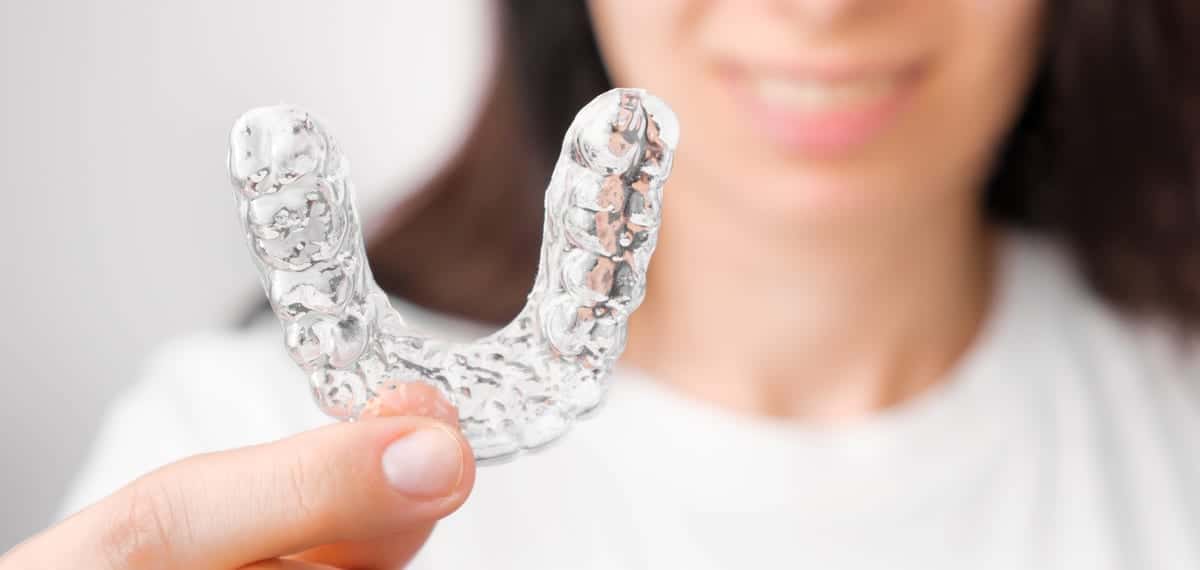
- Clear removable retainers: These look similar to Invisalign aligners. They are discreet, comfortable, and easy to clean.
- Hawley retainers: These are traditional wire-and-acrylic retainers. They are durable and adjustable if minor corrections are needed.
- Fixed or bonded retainers: A thin wire bonded to the back of your teeth. It works continuously without any effort on your part.
Each type has its advantages. Many patients at Tolleson Orthodontics receive clear retainers after Invisalign because they feel familiar and blend into daily life. Your orthodontist will guide you toward the right fit for your smile.
How Long Do You Need to Wear a Retainer?
This is one of the most frequently asked questions after finishing Invisalign. The short answer is: for a long time. Most orthodontists recommend full-time wear for the first three to six months after treatment. After that, nightly wear becomes the standard recommendation.
Here is a general timeline most patients follow:
- Months 1–6: Wear your retainer full-time, removing it only to eat and clean your teeth.
- Months 6–12: Transition to wearing it every night while you sleep.
- Year 1 and beyond: Continue nightly wear indefinitely to prevent long-term relapse.
Many orthodontists now recommend lifelong retainer wear. Teeth never fully stop moving throughout your life. Nightly retainer use is the most reliable way to maintain your results permanently. Think of it as a small habit that protects a big achievement.
If you ever lose or damage your retainer, replace it as soon as possible. Even a few days without it can allow minor shifting to begin. Acting quickly keeps the problem small and manageable.
Signs Your Teeth Are Already Shifting After Invisalign
Sometimes patients come to Tolleson Orthodontics concerned that their teeth have already started to move. There are a few clear signs to watch for after finishing treatment.
- Your retainer feels tighter than usual when you put it in
- You notice small gaps appearing between teeth
- Your bite feels slightly different when you chew
- Your lower front teeth appear more crowded than before
- Your retainer no longer fits properly or feels uncomfortable
If you notice any of these signs, schedule an appointment with Dr. Tolleson as soon as possible. Catching early shifting means it is much easier to correct. Waiting too long can mean the difference between a simple retainer adjustment and a full retreatment.
Consistent retainer use prevents these problems entirely. The goal is never to get to this point in the first place. Wearing your retainer is truly the easiest part of the entire Invisalign journey. You can also explore the full Sitemap Southlake to find more helpful resources from Tolleson Orthodontics.
Protecting Your Smile for the Long Term in Southlake
Invisalign is a remarkable treatment that transforms smiles throughout Southlake and the surrounding communities. Dr. Shane Rex Tolleson is committed to guiding patients not just through treatment, but through every step that follows. Retention is not an afterthought — it is part of the full orthodontic process.
The work you put into straightening your teeth deserves to last a lifetime. A retainer makes that possible. It is a small commitment compared to the months you spent in aligners. Patients who wear their retainers consistently almost never need to retreat.
If you have questions about retainers, are concerned about shifting, or are just finishing your Invisalign treatment, our team is ready to help. We make retention simple, comfortable, and tailored to your lifestyle. Book Now to schedule your appointment with our team.
Frequently Asked Questions
How soon after Invisalign do teeth start shifting without a retainer?
Teeth can begin shifting within just a few days of finishing your last Invisalign aligner. The surrounding bone and tissue have not yet fully stabilized around the new tooth positions. Wearing your retainer immediately after treatment prevents this early relapse from occurring.
Can I wear my last Invisalign tray as a retainer?
Your final Invisalign aligner is not designed for long-term retainer use. It is made from a thinner, less durable material that wears out quickly. Dr. Tolleson will provide a proper retainer made to last and protect your smile effectively over time.
What happens if I stop wearing my retainer after a year?
Even after a full year of consistent retainer use, teeth can still shift if you stop wearing it. Teeth continue to move naturally throughout your lifetime due to aging, bite pressure, and tissue changes. Most orthodontists recommend indefinite nightly retainer wear to maintain your results.
How do I clean and care for my retainer?
Rinse your retainer with lukewarm water every time you remove it. Clean it gently with a soft toothbrush and mild soap daily. Avoid hot water, as it can warp the material. Store it in its case when not in use to prevent loss or damage.
Is it too late to get a retainer if my teeth have already shifted?
It depends on how much movement has occurred. Minor shifting can sometimes be corrected with a new retainer or a brief round of refinement aligners. Dr. Shane Rex Tolleson will evaluate your situation and recommend the best course of action to restore your smile.