
February 17, 2026
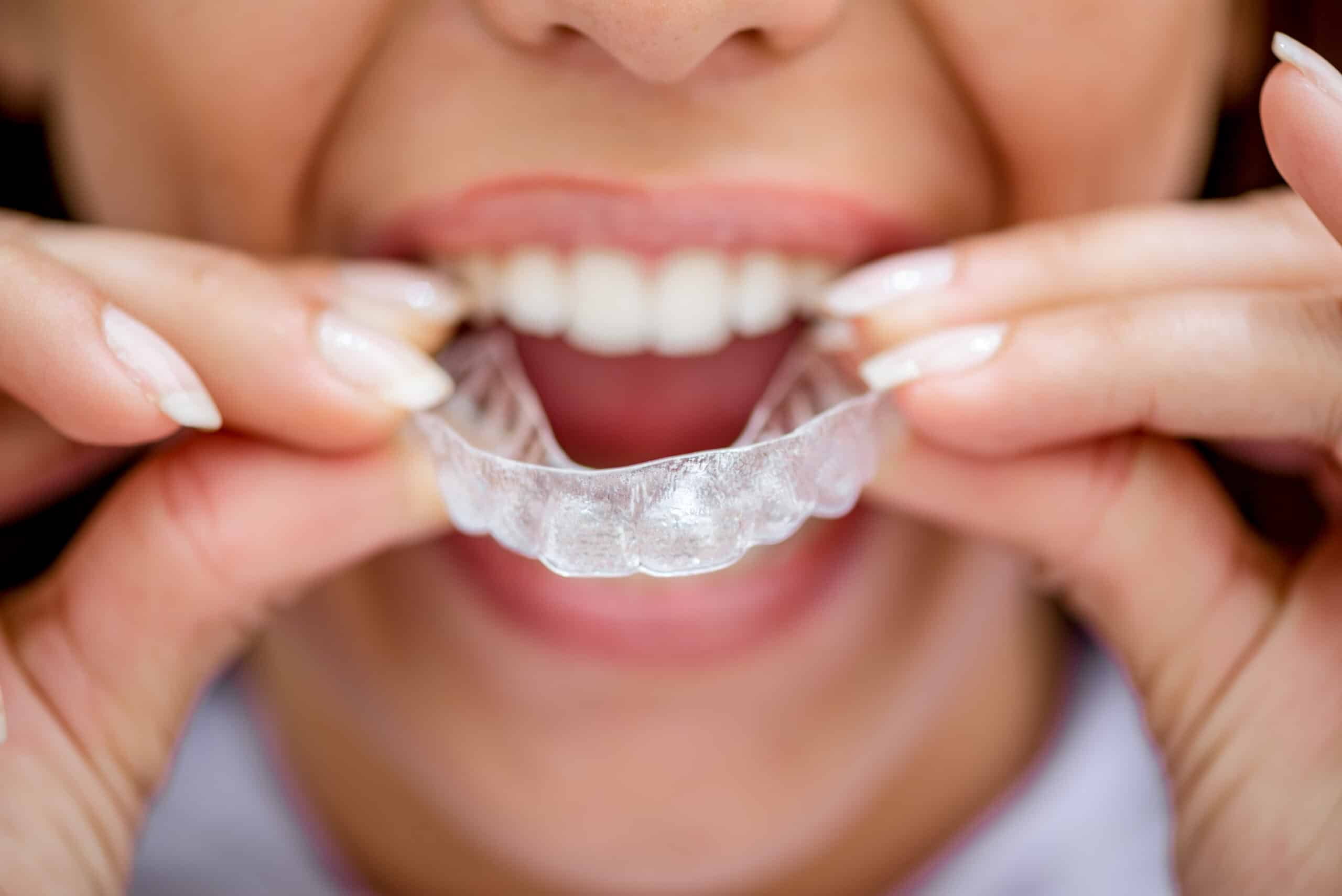
Jaw pain can make everyday life uncomfortable. If you wake up with headaches, hear clicking when you chew, or feel tension in your jaw during stressful days, you may wonder: can Invisalign help with TMJ? Many patients ask whether invisalign clear aligners can reduce discomfort or if orthodontic treatment might make symptoms worse.
The good news is that, in the right cases, Invisalign may support bite alignment and improve jaw function. However, treatment must be carefully evaluated by an experienced orthodontist.
At Tolleson Orthodontics, Dr. Shane Rex Tolleson helps patients understand the relationship between Invisalign and TMJ so they can make informed decisions about their care.
Meet Dr. Shane Rex Tolleson – Board-Certified Orthodontist in Southlake

Dr. Tolleson proudly serves the same Southlake community where he and his family live, worship, and raise their children. He earned his Bachelor of Science in Biomedical Science from Texas A&M University and his Doctor of Dental Surgery degree from The University of Texas Dental School in Houston. He continued at UT to complete his orthodontic specialty training and Master of Science in Dentistry, serving as Chief Resident and graduating with a 4.0 GPA.
As a Board Certified Orthodontist and Diplomate of The American Board of Orthodontics—a distinction achieved by fewer than half of orthodontists—Dr. Tolleson remains committed to excellence, advanced technology, and compassionate care.
He believes that improving oral function improves overall health and confidence.
If you are experiencing jaw discomfort, schedule a consultation at Tolleson Orthodontics in Southlake to explore whether Invisalign is right for you.
Understanding TMJ Disorder
TMJ refers to the temporomandibular joint—the hinge connecting your jaw to your skull. When this joint becomes strained or misaligned, you may experience:
- Jaw pain or tenderness
- Clicking or popping sounds
- Headaches or neck pain
- Difficulty chewing
- Jaw locking
- Facial tension
TMJ symptoms vary from mild to persistent. Therefore, accurate diagnosis matters before starting any orthodontic treatment.
Can Invisalign Fix TMJ?
The answer depends on the cause of your TMJ symptoms.
Research suggests that when TMJ discomfort stems from bite misalignment, correcting that alignment may reduce strain on the jaw joint. In these cases, Invisalign for TMJ disorder may provide relief by gradually improving how upper and lower teeth fit together.
However, Invisalign does not directly “cure” TMJ. Instead, it addresses underlying orthodontic issues that may contribute to joint stress.
How Invisalign May Help with TMJ
1. Improving Bite Alignment
When teeth do not align properly, the jaw may compensate during chewing. Over time, this imbalance can strain the TMJ.
Invisalign clear aligners:
- Gradually shift teeth into healthier positions
- Improve how upper and lower arches meet
- Distribute bite pressure evenly
- Reduce excessive muscle strain
For patients whose pain relates to malocclusion, Invisalign TMJ relief can be noticeable.
2. Reducing Clenching and Grinding
Many TMJ patients grind their teeth at night. Interestingly, aligners act as a thin protective barrier. While they are not a substitute for a nightguard, they may reduce direct tooth-on-tooth contact during treatment.
Dr. Tolleson carefully evaluates grinding patterns before recommending aligners.
3. Encouraging Muscle Relaxation
As bite alignment improves, jaw muscles may no longer overcompensate. This change can reduce tension headaches and facial discomfort over time.
When Invisalign May Not Help TMJ
Not all TMJ disorders stem from misalignment. TMJ pain can also result from:
- Arthritis
- Injury
- Disc displacement
- Chronic stress
In these cases, treatment may involve splints, physical therapy, or collaborative care with medical providers.
That’s why a comprehensive evaluation at Tolleson Orthodontics is essential before starting Invisalign.
Step-by-Step: How We Evaluate TMJ in Southlake
At Tolleson Orthodontics, we follow a careful process:
Step 1: Detailed Consultation
- Discuss symptoms and medical history
- Evaluate jaw movement and bite
Step 2: Digital Imaging
- Assess tooth alignment
- Examine jaw relationship
Step 3: Personalized Treatment Plan
- Determine whether Invisalign is appropriate
- Recommend supportive therapies if needed
This structured approach ensures that Invisalign for TMJ disorder is only recommended when it supports long-term health.
A Real Patient Experience
Patricia, a former orthodontic supply sales representative, brought her child to Tolleson Orthodontics. She also personally experienced mild jaw tension and bite imbalance. After evaluation, Dr. Tolleson recommended Invisalign to correct her bite alignment.
Over time, as her teeth shifted into proper position, she noticed less tension while chewing and fewer morning headaches.
She later shared:
As a former Orthodontic Supply Sales Representative, I have seen this industry from another perspective … and Dr. Tolleson has an outstanding reputation!! Moreover, I trust him and his staff with the care of my children and their smiles. Top Notch all around Orthodontic practice!!
Her experience reflects the trust and comprehensive care provided in Southlake.
Why Choose Tolleson Orthodontics?
When considering Invisalign and TMJ treatment, expertise matters.
At Tolleson Orthodontics, patients benefit from:
- Board-certified orthodontic care
- Advanced digital treatment planning
- Individualized TMJ assessments
- Transparent communication
- Family-centered environment
In a busy, high-performing community like Southlake, stress-related jaw issues are common. Dr. Tolleson understands local lifestyle demands and creates realistic treatment plans.
How to Support TMJ Relief During Invisalign
If you begin Invisalign treatment, you can enhance comfort by:
- Wearing aligners 20–22 hours daily
- Avoiding gum chewing
- Practicing jaw relaxation exercises
- Managing stress levels
- Attending scheduled check-ins
Consistency leads to the best results.
Frequently Asked Questions About Invisalign and TMJ
1. Can Invisalign fix TMJ permanently?
Invisalign may improve TMJ symptoms when bite misalignment contributes to joint strain. However, it does not directly treat joint inflammation or structural disorders. Long-term relief depends on the underlying cause of your TMJ symptoms and adherence to treatment recommendations.
2. Does Invisalign help TMJ pain immediately?
Most patients do not experience instant relief. Invisalign gradually shifts teeth, so symptom improvement occurs progressively. Some patients feel mild pressure at the start of each aligner stage, which typically resolves within days.
3. Is Invisalign better than braces for TMJ?
Both braces and Invisalign can correct bite alignment. Invisalign offers flexibility and comfort, but the best option depends on your specific orthodontic needs. Dr. Tolleson evaluates each case individually to determine the most effective solution.
4. Can Invisalign make TMJ worse?
In properly diagnosed cases, Invisalign should not worsen TMJ symptoms. However, starting treatment without evaluating joint health could potentially aggravate discomfort. That’s why a comprehensive orthodontic assessment is critical.
5. How long does Invisalign take for TMJ-related bite issues?
Treatment length varies. Minor corrections may take 6–12 months, while more complex alignment changes can take longer. Improvement in TMJ symptoms often parallels bite correction progress.
6. Do Invisalign clear aligners protect against grinding?
Aligners provide a thin barrier between teeth, which may reduce direct wear. However, they are not designed as long-term nightguards. In some cases, Dr. Tolleson may recommend additional protective appliances.
7. Who is a good candidate for Invisalign for TMJ disorder?
Patients with mild to moderate bite misalignment contributing to joint strain may benefit most. Candidates should have healthy gums and realistic expectations. A full evaluation determines suitability.
8. Should I see an orthodontist or dentist for TMJ?
For bite-related TMJ issues, an orthodontist is highly qualified to assess alignment and jaw function. In complex cases, collaborative care with additional specialists may provide the best outcome.