
August 10, 2026
Many patients ask the same question before starting orthodontic treatment. Can Invisalign fix your bite, or do you need braces in Southlake? It is a great question — and the honest answer depends on your specific dental needs. Dr. Shane Rex Tolleson at Tolleson Orthodontics helps patients navigate this decision every day.
Both Invisalign and traditional braces can produce beautiful, healthy smiles. However, they work differently and suit different cases. Understanding those differences helps you make a confident, informed choice. This article breaks it all down in plain language.
What Invisalign Can Fix: Southlake Patients Are Often Great Candidates
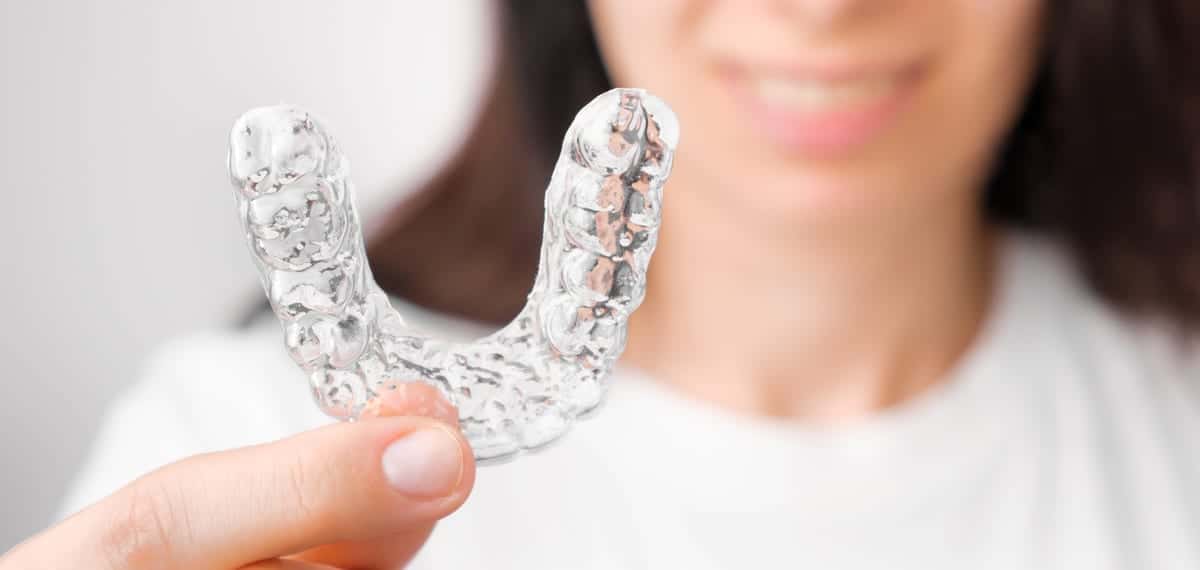
Invisalign uses a series of custom-made, removable clear aligners. They gradually shift teeth into the correct position over time. Many common orthodontic issues respond very well to this approach. Invisalign Southlake patients often treat mild to moderate crowding successfully with clear aligners.
Spacing problems are another area where Invisalign shines. Gaps between teeth can close effectively with aligner therapy. Mild overbites — where upper teeth extend too far over lower teeth — also respond well. The aligners apply steady, controlled pressure to guide teeth into better alignment.
- Mild to moderate crowding
- Gaps and spacing issues between teeth
- Mild overbite correction
- Minor crossbite adjustments
- Slight open bite cases
- Relapse cases after previous orthodontic treatment
Invisalign offers clear advantages beyond aesthetics. The trays are removable, so eating and oral hygiene remain easier. Most patients appreciate the discreet appearance during treatment. For many adults and teens in Southlake, this flexibility is a major benefit.
Where Invisalign Has Limitations: When Braces Work Better
Invisalign is highly effective, but it is not the right fit for every case. Severe bite issues often require more precise control than aligners provide. Traditional braces use brackets and wires bonded directly to the teeth. This gives the orthodontist greater mechanical force and three-dimensional control.
Significant underbites are one area where braces typically outperform aligners. An underbite occurs when lower teeth sit in front of upper teeth. This condition often involves jaw alignment, not just tooth position. Braces, sometimes paired with other appliances, can address these more complex cases.
- Severe crowding that needs significant tooth movement
- Moderate to severe underbite correction
- Large overbite cases requiring jaw repositioning
- Significant open bite issues
- Complex rotations of multiple teeth
- Cases requiring tooth extrusion (pulling teeth down)
Braces also work better when tooth rotation is a primary concern. Rotating a tooth requires force from multiple directions simultaneously. Aligners can sometimes struggle with moderate to severe rotations. Dr. Tolleson evaluates each patient individually to determine which tool fits the need.
Understanding Bite Problems: Overbite, Underbite, and Crowding Explained
A bite problem — called a malocclusion — means your teeth do not come together correctly. There are several types, and each has a different severity range. Knowing your bite type helps set realistic expectations for treatment. Both Invisalign and braces can address many of these conditions.
An overbite means upper front teeth overlap lower front teeth too much. Mild overbites often respond well to Invisalign. More significant overbites may need braces or additional orthodontic appliances. Early treatment during teen years can sometimes make correction simpler.
An underbite means lower teeth protrude past upper teeth. This can cause jaw pain, uneven wear, and speech issues. Underbites are among the more complex bite problems to treat. Braces are usually the preferred solution for moderate and severe underbites.
Crowding happens when there is not enough space for all teeth to fit properly. Mild crowding is one of the most common reasons people seek orthodontic care. Invisalign handles mild to moderate crowding effectively. Severe crowding, sometimes requiring tooth extractions, often calls for traditional braces.
How Dr. Tolleson Determines the Right Treatment for You in Southlake
No two smiles are the same. That is why a thorough evaluation is the essential first step. Dr. Tolleson uses digital imaging and clinical examination to assess your bite, spacing, and alignment. This detailed picture guides the recommendation for Invisalign or braces.
Your lifestyle also plays a role in the decision. Invisalign requires wearing aligners 20 to 22 hours per day. Patients who may forget to wear them consistently may see slower progress. For those patients, the fixed nature of braces can actually be an advantage.
Age and the complexity of tooth movement both matter too. Teenagers and adults can succeed with either treatment when properly selected. The goal is always the same — a healthy, well-aligned bite that lasts a lifetime. You can find answers to common treatment questions on our Faq Southlake page.
Dr. Tolleson takes time to explain all options clearly. He believes every patient deserves to understand why a specific treatment is recommended. Transparency and education are central to how Tolleson Orthodontics serves the Southlake community. You will always leave your consultation with a clear picture of your path forward.
Invisalign vs. Braces: A Side-by-Side Comparison
Choosing between these two treatments is easier when you see them compared directly. Both options are effective when matched to the right patient. Here is a quick summary to guide your thinking before your consultation.
- Visibility: Invisalign aligners are nearly invisible. Traditional braces use metal or ceramic brackets that are more noticeable.
- Removability: Invisalign trays come out for eating and brushing. Braces stay fixed throughout treatment.
- Treatment range: Braces can correct more severe bite and alignment problems. Invisalign excels with mild to moderate cases.
- Comfort: Both can cause some discomfort during adjustment periods. Invisalign has no sharp wires or brackets to irritate soft tissue.
- Treatment time: Duration varies by case complexity. Both options typically range from 12 to 24 months for most patients.
Understanding these differences helps you walk into your appointment prepared. You and Dr. Tolleson can then make the best decision together. The right treatment is the one that fits your bite, your lifestyle, and your long-term goals.
Taking the Next Step Toward a Better Bite in Southlake
Whether Invisalign or braces is the right answer for you, the journey starts with a consultation. Dr. Tolleson and the team at Tolleson Orthodontics are here to guide you with honesty and expertise. Southlake patients deserve a clear explanation of their options — and that is exactly what you will receive. Book Now to schedule your appointment with our team.
Frequently Asked Questions
Can Invisalign fix an overbite completely?
Invisalign can correct mild to moderate overbites effectively. Severe overbites that involve significant jaw discrepancy may require traditional braces or additional orthodontic appliances. Dr. Tolleson will evaluate your specific case and recommend the most appropriate treatment during your consultation.
Is Invisalign as effective as braces for crowding?
For mild to moderate crowding, Invisalign can be just as effective as braces. Severe crowding — especially cases that may require tooth extractions — typically responds better to traditional braces. The right choice depends on how much movement your teeth need and in what direction.
How do I know if I am a candidate for Invisalign in Southlake?
The best way to determine candidacy is through a professional orthodontic evaluation. Dr. Shane Rex Tolleson at Tolleson Orthodontics uses digital imaging and a full clinical exam to assess your bite and alignment. Many patients who think they need braces turn out to be excellent Invisalign candidates.
What bite problems cannot be fixed with Invisalign?
Significant underbites, large open bites, severe crowding, and complex tooth rotations are generally better treated with traditional braces. These conditions require more mechanical force or three-dimensional control than clear aligners can provide. An honest evaluation will clarify which option suits your needs.
How long does Invisalign treatment take compared to braces?
Treatment time depends on the complexity of the case rather than the appliance alone. Many Invisalign cases are completed in 12 to 18 months. Traditional braces may take 18 to 24 months for more complex corrections. Dr. Tolleson will give you a realistic timeline estimate during your initial consultation.