
September 26, 2024
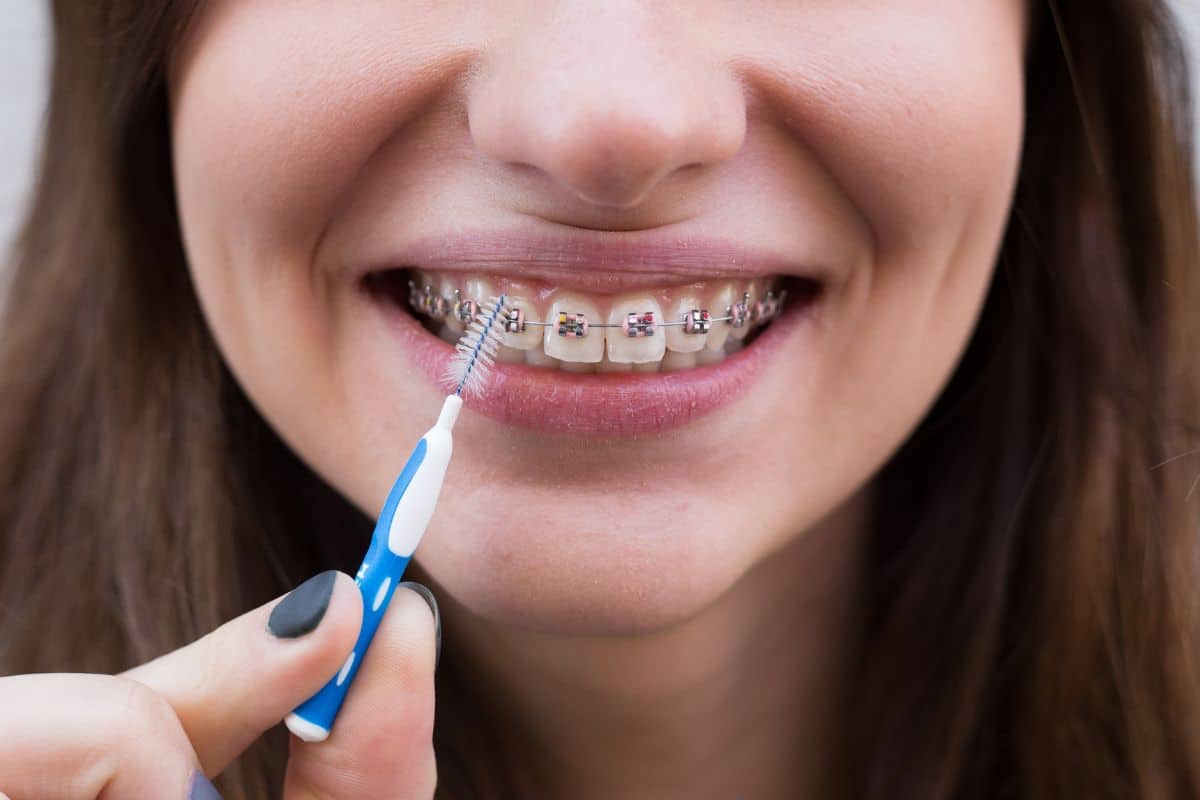
Getting dental braces is a significant step towards achieving a healthy, beautiful smile. Whether you’re a teenager or an adult, braces can transform your teeth and boost your confidence. However, caring for your braces is essential to ensure effective treatment and maintain good oral health. This guide offers practical tips for maintaining your braces and dental hygiene throughout your orthodontic journey.
Understanding Dental Braces
Dental braces are orthodontic devices designed to correct misaligned teeth and jaws. They consist of brackets, wires, and bands that work together to gradually move your teeth into the desired position. Braces can address various dental issues, including:
- Crowding
- Gaps between teeth
- Overbites and underbites
- Crossbites
As you embark on this journey, knowing how to care for your braces will help ensure a smoother process and more effective results.
Why Proper Care Matters
Maintaining good oral hygiene while wearing braces is crucial for several reasons:
- Preventing Decalcification: Braces can trap food particles and plaque, increasing the risk of decalcification, which can lead to white spots on your teeth.
- Avoiding Gum Disease: Poor oral hygiene can result in gum inflammation, leading to more severe dental issues.
- Ensuring Effective Treatment: Proper care can help move your teeth into their correct positions more effectively, shortening the duration of your treatment.
Daily Oral Hygiene Tips
1. Brush After Every Meal
One of the most critical steps in caring for your dental braces in Southlake is brushing your teeth after every meal. This helps remove food particles and plaque buildup. Here’s how to do it effectively:
- Use the Right Toothbrush: A soft-bristled toothbrush is ideal. Consider using an orthodontic toothbrush designed specifically for braces, as it can reach around brackets more easily.
- Brush Thoroughly: Spend at least two minutes brushing your teeth. Focus on all surfaces—front, back, and chewing surfaces—while ensuring you clean around each bracket.
- Use Fluoride Toothpaste: Fluoride toothpaste can help strengthen your enamel and protect against cavities.
2. Floss Daily
Flossing with braces can be challenging, but it’s essential for maintaining your oral health. Here’s how to do it:
- Use a Floss Threader or Orthodontic Floss: These tools make it easier to navigate around your brackets and wires.
- Be Gentle: Slide the floss between your teeth carefully to avoid damaging the brackets.
- Make It a Habit: Incorporate flossing into your daily routine, preferably before brushing your teeth at night.
3. Rinse with Mouthwash
Using an antimicrobial mouthwash can help reduce plaque buildup and freshen your breath. Look for a mouthwash that contains fluoride for added protection against cavities. Rinse your mouth after brushing and flossing to ensure a clean slate.
Read Now: Invisalign for Southlake’s Busy Families: A Convenient Orthodontic Solution
Foods to Avoid with Dental Braces
Certain foods can damage your braces or become trapped in them, making it crucial to know what to avoid. Here’s a list of foods to steer clear of during your treatment:
1. Hard Foods
- Nuts
- Hard candies
- Ice
- Popcorn
These foods can break or dislodge brackets and wires.
2. Sticky Foods
- Chewy candies (like caramel)
- Gum
- Taffy
Sticky foods can get stuck in your braces, making it difficult to clean and potentially leading to cavities.
3. Sugary Foods
- Soda
- Candy
- Baked goods
Sugary foods contribute to plaque buildup and increase the risk of cavities, especially if they get trapped in your braces.
4. Whole Fruits and Vegetables
While fruits and vegetables are essential for a healthy diet, avoid biting directly into hard varieties. Instead, cut them into smaller pieces. For example, slice apples or carrots before eating.
Regular Visits to Your Orthodontist
Your orthodontist plays a vital role in your treatment journey. Regular appointments are essential for monitoring your progress and making necessary adjustments to your braces. Here’s what to expect during your visits:
1. Adjustments
Your orthodontist will tighten or adjust your braces during each visit. This is crucial for ensuring that your teeth are moving as planned. Adjustments typically happen every 4 to 8 weeks.
2. Monitoring Oral Health
Your orthodontist will check for any signs of decay or gum disease. If they notice any issues, they can recommend treatments or changes to your care routine.
3. Discussing Invisalign Options
If you’re interested in alternative treatments, such as Invisalign, your orthodontist can help. Invisalign is a clear aligner system that offers a more discreet way to straighten teeth. It requires a different care routine but can be an excellent option for many patients.
More To Read: How to Care for Your Braces: Tips from Southlake Orthodontists
Managing Discomfort and Emergencies
Getting used to braces can involve some discomfort. Here’s how to manage it:
1. Expect Some Soreness
After adjustments, your teeth may feel sore for a few days. Over-the-counter pain relievers can help alleviate discomfort. Additionally, eating soft foods during this time can make meals more manageable.
2. Be Prepared for Emergencies
If a bracket or wire breaks, contact your orthodontist immediately. In the meantime, use orthodontic wax to cover any sharp edges to avoid irritation to your mouth.
3. Keep a Dental Kit Handy
It’s a good idea to keep a dental kit with a travel toothbrush, toothpaste, floss, and orthodontic wax. This will allow you to maintain your oral hygiene even when you’re on the go.
Lifestyle Tips for Success
1. Stay Motivated
Remember why you chose to get braces in the first place. Keep pictures of your smile goals to remind you of the end result. Celebrate small milestones throughout your treatment to stay motivated.
2. Communicate with Your Orthodontist
Don’t hesitate to voice any concerns or questions during your appointments. Open communication can lead to a better treatment experience.
3. Educate Yourself
Understanding the mechanics of how braces work can help you appreciate the journey. Knowledge can empower you to take better care of your braces.
Also Read: The Latest Innovations in Orthodontics: What to Expect from Your Southlake Orthodontist
Caring for your dental braces is essential for achieving the smile you’ve always wanted. By following these tips for maintaining oral health during treatment, you can ensure a smoother process and a successful outcome. Regular visits to your orthodontist, combined with diligent oral hygiene practices, will set you up for a beautiful, healthy smile.
Whether you’re considering braces or currently undergoing treatment, remember that the effort you put into your care routine will pay off in the end. Embrace the journey, and soon you’ll be enjoying the benefits of your hard work!