
May 5, 2026
Key Elements
- Invisalign clear aligners should usually be worn 20 to 22 hours each day.
- Not wearing them long enough can slow tooth movement and affect results.
- Missed wear time may lead to discomfort, poor fit, or longer treatment.
- A trusted orthodontic team and guidance from a pediatric dentist can help patients stay on track.
A Common Question Many Patients Ask
Starting orthodontic treatment can feel exciting and a little uncertain at the same time. One of the first things many people ask is, “Will I sound different when I talk?”
The short answer is yes, some people notice a slight speech change in the beginning. The good news is that it usually fades quickly as your tongue adjusts to the new aligners.
At Tolleson Orthodontics in Southlake, many teens and adults ask this question before starting treatment. Dr. Tolleson takes the time to explain what is normal and how patients can feel more comfortable during the first stages of care.
How Can Speech Change With Aligners?
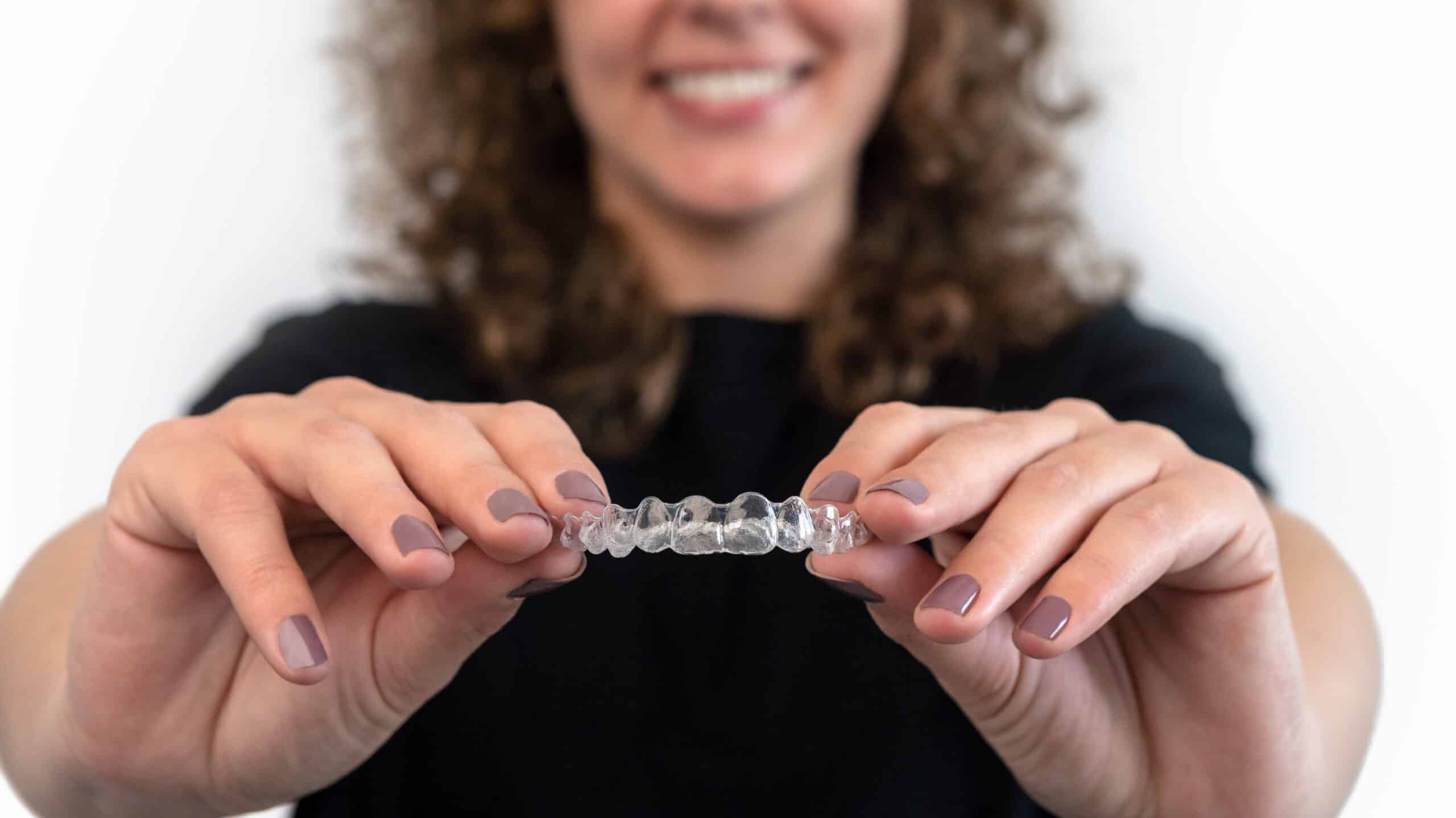
Speech depends on how your tongue touches your teeth and the roof of your mouth. When Invisalign clear aligners are placed over the teeth, your tongue needs a short adjustment period.
Some sounds may feel different at first, including:
- “S” sounds
- “Sh” sounds
- “Th” sounds
This can create a mild rash for a few days. For most people, the change is small and temporary.
The aligners are thin and custom-made, so the mouth usually adapts quickly.
How Long Will Lisp Last?
Most patients adjust within a few days to two weeks.
People who wear their Invisalign clear aligners for the recommended 20 to 22 hours each day often adapt faster. Taking them out too often may slow the adjustment process because your tongue keeps restarting the learning phase.
Many patients notice improvement when they:
- Read aloud for 10 minutes daily
- Speak slowly during the first few days
- Stay consistent with wear time
- Drink enough water to avoid dry mouth
The more you speak, the faster your mouth learns the new shape.
What Does Speech Feel Like During the First Week?
Many patients describe the feeling as “slightly different” rather than painful or uncomfortable.
You may notice:
| Common Early Changes | What Usually Happens |
|---|---|
| Mild Lisp | Improves quickly |
| Extra saliva | Reduces after a few days |
| Tongue awareness | It becomes normal over time |
| Slight pressure on teeth | Expected with movement |
Most people around you may not even notice a difference unless you mention it.
Tips to Adjust to Invisalign Clear Aligners Faster
A few simple habits can make the adjustment smoother.
Practice Speaking Out Loud
Reading books, talking on phone calls, or singing along to music helps train your tongue.
Keep Your Aligners In
Consistent wear helps your mouth adapt faster.
Stay Hydrated
Dry mouth can make speech feel less natural.
Be Patient With Yourself
Your mouth is learning something new. Small changes early on are normal.
Will Speech Problems Continue Throughout Treatment?
Most patients only notice speech changes with the first set of trays. When switching to new trays later, there may be mild pressure, but speech issues are usually minimal.
Because Invisalign clear aligners are custom-made for your teeth, they fit closely and become part of your daily routine over time.
Many adults continue working, attending meetings, teaching classes, and speak publicly during treatment without major issues.
Local Support Makes the Process Easier
Patients in the Southlake area often balance busy schedules with work, school, sports, and social events. That is why many families appreciate treatment options that fit into daily life.
Tolleson Orthodontics is located at 1050 E State Hwy 114 #120, Southlake, TX 76092, close to familiar local spots like Southlake Town Square and Bicentennial Park.
While a family member is in treatment, parents or relatives can relax nearby at:
- Local cafés around Southlake Town Square
- Walking paths at Bicentennial Park
- Shops near Central Market
- Nearby seating areas and restaurants along Highway 114
This makes appointments easier to fit into a normal day.
Meet Dr. Tolleson

Dr. Tolleson believes orthodontic care should improve both smiles and confidence. His background combines years of advanced training with real patient experience.
After earning a Biomedical Science degree from Texas A&M University, he completed dental school and orthodontic specialty training at The University of Texas Dental School in Houston. During residency, he served as Chief Resident and graduated with a 4.0 GPA.
Dr. Tolleson is also a Board Certified Orthodontist, a distinction earned by fewer than half of orthodontists.
Outside of the office, he enjoys music, church ministry, baseball, and spending time with his wife and children. Patients often appreciate his calm and friendly approach, especially during first visits.
When Should You Call the Orthodontist?
Small speech changes are normal early on. Still, you should check in if:
- Aligners feel extremely loose
- Sharp edges irritate the mouth
- Speech suddenly worsens later in treatment
- Trays do not fit properly
Clear communication helps keep treatment on track.
Final Thoughts
Most people adjust to Invisalign clear aligners faster than expected. A mild lisp or speech change at the beginning is common, but it usually improves within days.
The key is consistency, patience, and wearing the aligners as instructed. Over time, speaking feels natural again for most patients.
If you are considering treatment and want answers tailored to your smile goals, schedule a consultation with Tolleson Orthodontics. You can also contact our Tolleson Orthodontics office to learn more about what to expect during the first few weeks of care.
FAQs
Will clear aligners make talking harder at first?
Yes, some people notice small speech changes during the first few days. This happens because the tongue is adjusting to a new surface around the teeth. Most patients improve quickly with regular wear and daily speech practice.
How long does it take to speak normally again?
Many people adjust within one to two weeks. Some adapt even faster. Wearing aligners consistently each day helps shorten the adjustment period.
Is lisp common during the first week?
Mild lisp is fairly common at the start of treatment. This is usually temporary and becomes less noticeable as the mouth adapts.
Can reading out loud help improve speech?
Yes. Reading out loud helps train the tongue and mouth to work naturally with the trays in place. Even 10 minutes a day can help.
Should aligners be removed before conversations?
No. Aligners should stay in during normal daily activities, including talking. Removing them too often can slow progress and delay adjustment.
Do speech changes happen with every new tray?
Most people only notice speech changes with the first trays. Future aligners may feel tight for a day or two, but speaking usually feels normal after the initial adjustment phase.